Lunes, 26 mayo
19:30
Sofia
HATHA YOGA OUTDOORS “LA MARINA” / Marta
SANTA EULALIA, MARTA YOGA IBIZA
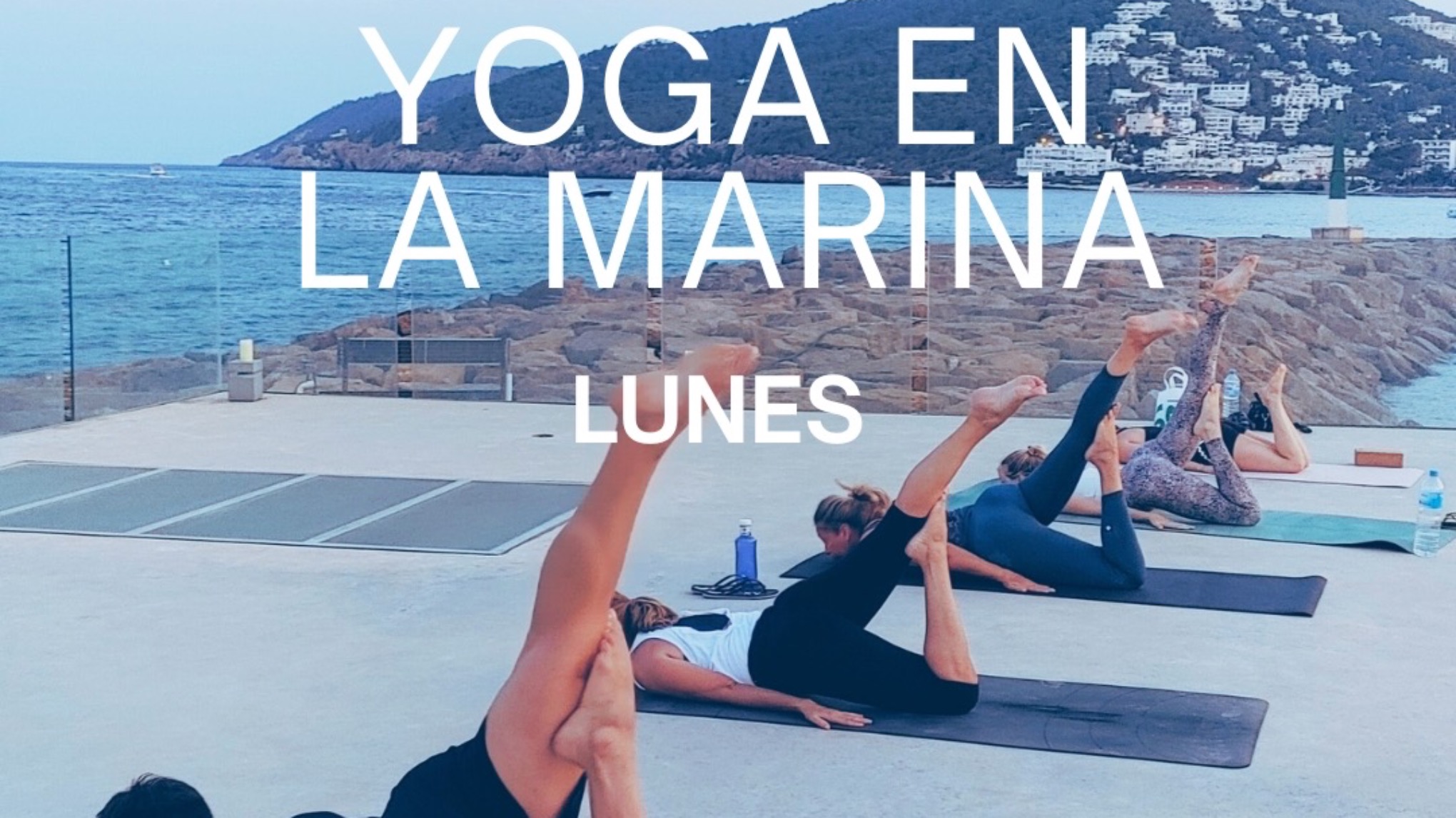
HATHA YOGA OUTDOORS “LA MARINA” / Marta
26 mayo 2025 •
19:30 - 20:45
SANTA EULALIA, MARTA YOGA IBIZA
Sofia Satory Yoga Ibiza
Descripción
Damos la bienvenida a la temporada de clases al aire libre con una práctica de Hatha Yoga frente al mar, en la plataforma de La Marina. Una sesión para reconectar con el cuerpo y la respiración al ritmo del atardecer, mejorando fuerza, flexibilidad y equilibrio. Abierta a todos los niveles. ¡Ven a recargarte con la energía del puerto y del verano que comienza!
——————————————-
English:
Hatha Yoga Outdoors – Mondays 19:30 at La Marina (Santa Eulalia Port)
We welcome the outdoor yoga season with a Hatha Yoga practice by the sea, on the platform at La Marina. A session to reconnect with your body and breath in the rhythm of the sunset, enhancing strength, flexibility, and balance. Open to all levels. Come recharge with the energy of the port and the summer beginning!
——————————————-
English:
Hatha Yoga Outdoors – Mondays 19:30 at La Marina (Santa Eulalia Port)
We welcome the outdoor yoga season with a Hatha Yoga practice by the sea, on the platform at La Marina. A session to reconnect with your body and breath in the rhythm of the sunset, enhancing strength, flexibility, and balance. Open to all levels. Come recharge with the energy of the port and the summer beginning!
Compartir esta clase
Correo electrónico
Facebook
Twitter
Linkedin
Whatsapp
Compartir enlace
Añadir al calendario
Martes, 27 mayo
18:00
Sofia
POWER VINYASA YOGA 🚀 (inspired series I & II) / Marta
SANTA EULALIA, MARTA YOGA IBIZA
POWER VINYASA YOGA 🚀 (inspired series I & II) / Marta Cancelada
27 mayo 2025 •
18:00 - 19:15
SANTA EULALIA, MARTA YOGA IBIZA
Sofia Satory Yoga Ibiza
Descripción
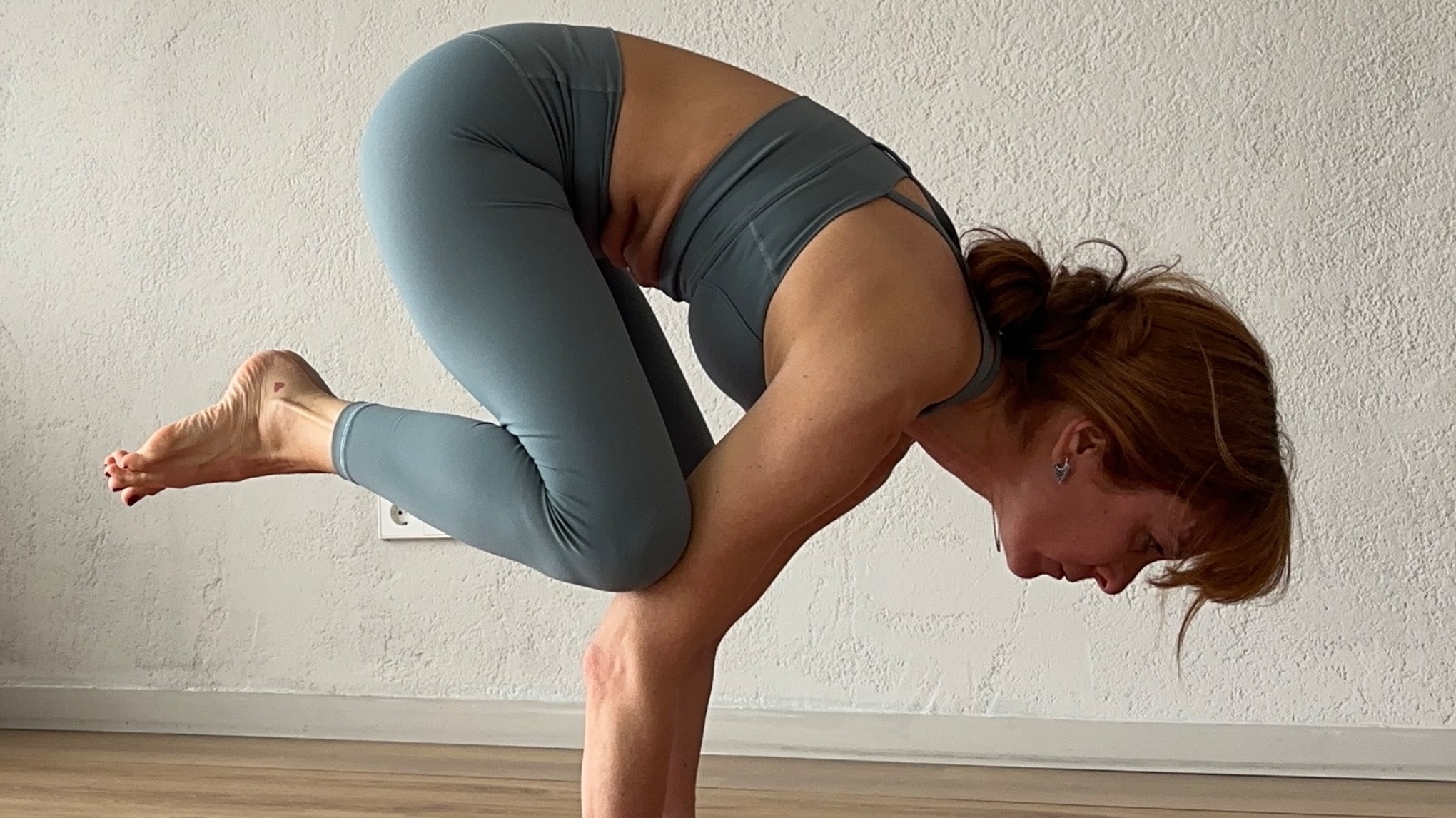
Power Vinyasa Yoga: Las clases están inspiradas en la práctica de Rocket Yoga, series I y II.
Una práctica dinámica y estimulante, inspirada en las series 1 y 2 de Ashtanga Vinyasa. Combina fuerza, fluidez y transiciones creativas que te retan física y mentalmente, manteniendo la estructura y esencia del método tradicional. Apta para todos los niveles, con adaptaciones para distintos niveles de práctica de cada persona.
——————————————————————
English version
Power Vinyasa Yoga: Classes are inspired by the practice of Rocket Yoga, series I and II.
A dynamic and energizing practice inspired by the 1st and 2nd series of Ashtanga Vinyasa. It blends strength, flow, and creative transitions that challenge you both physically and mentally, while respecting the structure and essence of the traditional method. Open to all levels, with variations to suit each practitioner’s experience and needs
Una práctica dinámica y estimulante, inspirada en las series 1 y 2 de Ashtanga Vinyasa. Combina fuerza, fluidez y transiciones creativas que te retan física y mentalmente, manteniendo la estructura y esencia del método tradicional. Apta para todos los niveles, con adaptaciones para distintos niveles de práctica de cada persona.
——————————————————————
English version
Power Vinyasa Yoga: Classes are inspired by the practice of Rocket Yoga, series I and II.
A dynamic and energizing practice inspired by the 1st and 2nd series of Ashtanga Vinyasa. It blends strength, flow, and creative transitions that challenge you both physically and mentally, while respecting the structure and essence of the traditional method. Open to all levels, with variations to suit each practitioner’s experience and needs
Compartir esta clase
Añadir al calendario
19:30
Sofia
YIN YOGA ☯️ / Marta (Join us in-person or online)
SANTA EULALIA, MARTA YOGA IBIZA
YIN YOGA ☯️ / Marta (Join us in-person or online)
27 mayo 2025 •
19:30 - 20:45
SANTA EULALIA, MARTA YOGA IBIZA
Sofia Satory Yoga Ibiza
Descripción
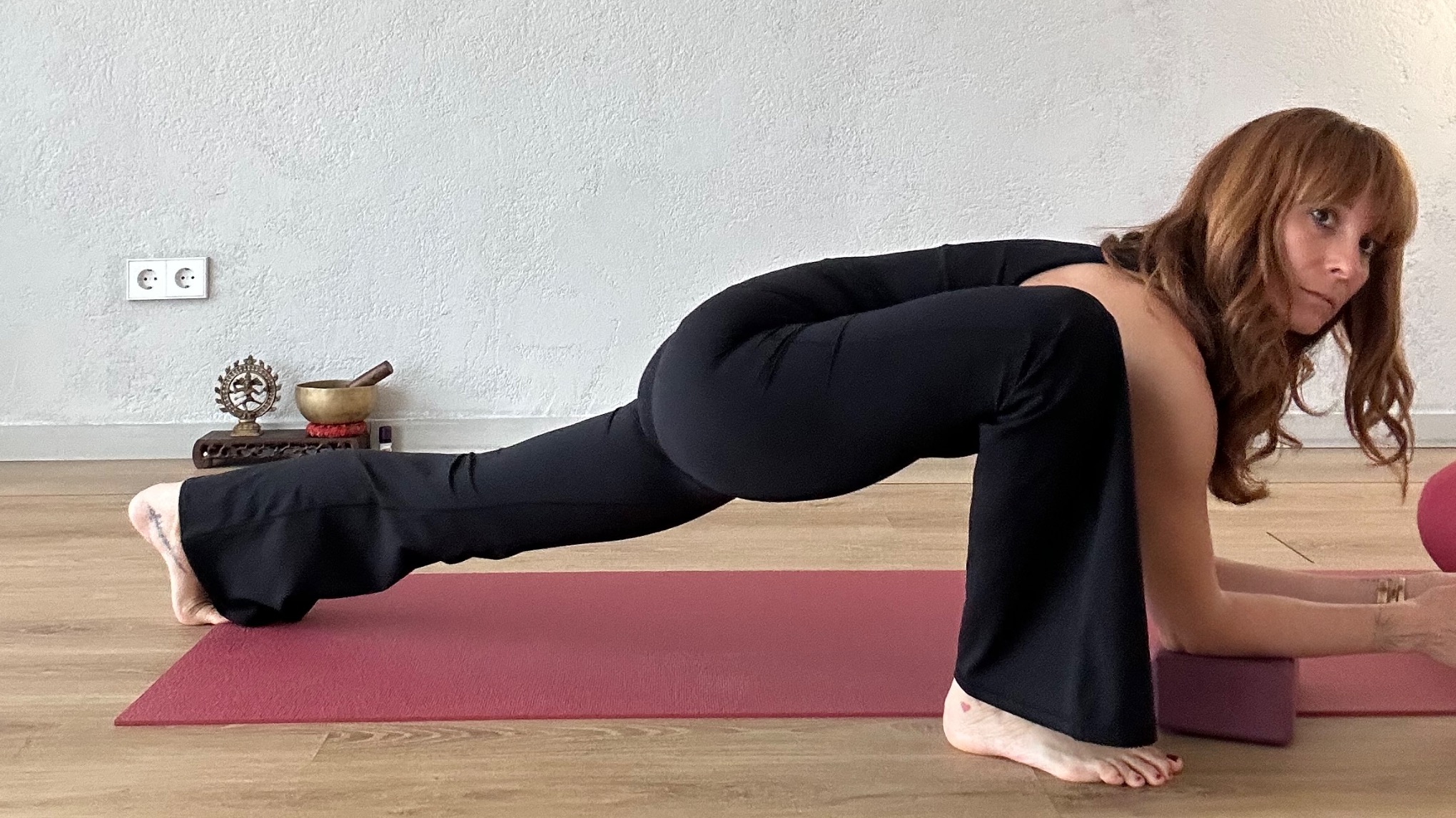
El yin yoga es una práctica lenta de asanas, cuyas posturas se realizan normalmente en el suelo, y se mantienen de forma pasiva durante un periodo de tiempo entre los 2 y los 5 minutos aproximadamente, logrando así un amplio estiramiento, calmando nuestra mente y nuestro cuerpo.
Gracias a esta delicada práctica podemos conseguir sensaciones de bienestar placenteras, perfectas para desconectar, disfrutar y relajarnos. Se trata de mantener la quietud y movernos lentamente entre postura y postura.
Esto no quiere decir que la práctica yin no requiera esfuerzo. Es realmente complicado mantener durante tanto tiempo las posturas de yoga. Es la gravedad la que actúa sobre nuestro cuerpo, y los estiramientos consiguen llegar hasta las capas más profundas gracias a la activación pasiva de los tejidos conectivos.
También se trabajan los canales energéticos de los meridianos, nervios y el sistema sanguíneo que puede que conozcáis si estáis familiarizados con la medicina tradicional china o la acupuntura.
¿PARA QUÉ SIRVE EL YIN YOGA?
No sólo nos ayuda a ganar flexibilidad de manera pasiva al sostener las asanas, sino que hace de meditación gracias a la respiración pausada y consciente durante las mismas.
Podremos encontrar un espacio de paz en la práctica, recuperar movilidad y prevenir lesiones derivadas de otras disciplina deportivas, ya que es uno de los estilos de yoga que incrementará notablemente nuestro rango de movilidad.
Es un yoga restaurativo que nos permitirá terminar la sesión con sensación de gozo y bienestar. Es fundamental no sentir “dolor” durante la práctica, aunque es normal tener cierta “incomodidad” al principio.
¡Atento! Puede ocurrir que en una sesión de yin surjan determinadas sensaciones, no sólo físicas sino emocionales, mi recomendación es dejarlas fluir, si te vienen ganas de llorar, sonreír, suspirar… deja que sigan su proceso mientras respiras y aflojas sin juzgarte, al finalizar verás como sientes un gran alivio.
A veces el yin yoga nos permite aligerar “mochilas” que llevábamos con nosotros sin darnos ni cuenta.
BENEFICIOS DEL YIN YOGA
Es una práctica segura que respeta la anatomía de cada yogui y se puede realizar a cualquier edad y en cualquier condición física ya que las asanas se adaptan a cada practicante con el uso de bloques, cinturones, bolster, mantas y otros soportes.
Aumenta la flexibilidad de forma pasiva.
Relaja el sistema nervioso central al trabajar la quietud y la calma en las posturas.
Contrarresta el estilo de vida activo y dinámico de nuestro día a día, complemento perfecto para la práctica del yoga más activa o deportes de gran actividad, y podemos recurrir a ella en momentos de cansancio o estrés.
Trabaja sobre las fascias, movilizándolas con delicadeza mientras consigue un amplio rango de movimiento, y con ello apertura corporal, mental y emocional, además de bienestar general como si acabaras de recibir un masaje.
Relaja tensiones, afloja y te permite estar en el aquí y el ahora al tratarse de una práctica regeneradora y con el mínimo esfuerzo muscular.
Moviliza el prana o energía vital y esto repercute de manera positiva en nuestro organismo, órganos y tejidos.
Ayuda a la concentración y a la conciencia corporal.
Favorece la auto-práctica, ya que al ser pasiva y las posturas de larga duración, podemos repetirlas sin la necesidad de que un profesor nos guíe.
Los beneficios se pueden perciben desde la primera práctica y seguro que llegados a este punto estás deseando probar.
-------------------------------------------------------------------------------------------------------
English version:
Yin yoga is a slow practice of asanas, whose postures are normally performed on the floor, and are held passively for a period of time between approximately 2 and 5 minutes, thus achieving a wide stretch, calming our mind and body.
Thanks to this delicate practice we can achieve pleasant sensations of well-being, perfect for disconnecting, enjoying and relaxing. It is about maintaining stillness and moving slowly between postures.
This is not to say that yin practice is effortless. It is really difficult to maintain yoga postures for so long. It is gravity that acts on our body, and stretching manages to reach the deepest layers thanks to the passive activation of connective tissues.
The energy channels of the meridians, nerves and blood system are also worked on, which you may be familiar with if you are familiar with traditional Chinese medicine or acupuncture.
WHAT IS YIN YOGA FOR?
Not only does it help us passively gain flexibility by holding the asanas, but it acts as a meditation thanks to slow and conscious breathing during them.
We will be able to find a space of peace in practice, recover mobility and prevent injuries derived from other sports disciplines, since it is one of the styles of yoga that will significantly increase our range of mobility.
It is a restorative yoga that will allow us to finish the session with a feeling of joy and well-being. It is essential not to feel “pain” during practice, although it is normal to have some “discomfort” at first.
Attentive! It may happen that in a yin session certain sensations arise, not only physical but emotional, my recommendation is to let them flow, if you feel like crying, smiling, sighing... let them continue their process while you breathe and relax without judging yourself, at the end you will see how you feel great relief.
Sometimes yin yoga allows us to lighten “backpacks” that we carried with us without even realizing it.
BENEFITS OF YIN YOGA
It is a safe practice that respects the anatomy of each yogi and can be performed at any age and in any physical condition since the asanas are adapted to each practitioner with the use of blocks, belts, bolsters, blankets and other supports.
Passively increases flexibility.
Relaxes the central nervous system by working on stillness and calm in postures.
It counteracts the active and dynamic lifestyle of our daily life, a perfect complement for the more active yoga practice or highly active sports, and we can resort to it in moments of fatigue or stress.
Work on the fascia, mobilizing them delicately while achieving a wide range of movement, and with it body, mental and emotional opening, as well as general well-being as if you had just received a massage.
It relaxes tensions, loosens and allows you to be in the here and now as it is a regenerative practice and with minimal muscular effort.
It mobilizes prana or vital energy and this has a positive impact on our body, organs and tissues.
Helps concentration and body awareness.
It favors self-practice, since being passive and long-lasting postures, we can repeat them without the need for a teacher to guide us.
The benefits can be perceived from the first practice and surely at this point you are willing to try it.
Gracias a esta delicada práctica podemos conseguir sensaciones de bienestar placenteras, perfectas para desconectar, disfrutar y relajarnos. Se trata de mantener la quietud y movernos lentamente entre postura y postura.
Esto no quiere decir que la práctica yin no requiera esfuerzo. Es realmente complicado mantener durante tanto tiempo las posturas de yoga. Es la gravedad la que actúa sobre nuestro cuerpo, y los estiramientos consiguen llegar hasta las capas más profundas gracias a la activación pasiva de los tejidos conectivos.
También se trabajan los canales energéticos de los meridianos, nervios y el sistema sanguíneo que puede que conozcáis si estáis familiarizados con la medicina tradicional china o la acupuntura.
¿PARA QUÉ SIRVE EL YIN YOGA?
No sólo nos ayuda a ganar flexibilidad de manera pasiva al sostener las asanas, sino que hace de meditación gracias a la respiración pausada y consciente durante las mismas.
Podremos encontrar un espacio de paz en la práctica, recuperar movilidad y prevenir lesiones derivadas de otras disciplina deportivas, ya que es uno de los estilos de yoga que incrementará notablemente nuestro rango de movilidad.
Es un yoga restaurativo que nos permitirá terminar la sesión con sensación de gozo y bienestar. Es fundamental no sentir “dolor” durante la práctica, aunque es normal tener cierta “incomodidad” al principio.
¡Atento! Puede ocurrir que en una sesión de yin surjan determinadas sensaciones, no sólo físicas sino emocionales, mi recomendación es dejarlas fluir, si te vienen ganas de llorar, sonreír, suspirar… deja que sigan su proceso mientras respiras y aflojas sin juzgarte, al finalizar verás como sientes un gran alivio.
A veces el yin yoga nos permite aligerar “mochilas” que llevábamos con nosotros sin darnos ni cuenta.
BENEFICIOS DEL YIN YOGA
Es una práctica segura que respeta la anatomía de cada yogui y se puede realizar a cualquier edad y en cualquier condición física ya que las asanas se adaptan a cada practicante con el uso de bloques, cinturones, bolster, mantas y otros soportes.
Aumenta la flexibilidad de forma pasiva.
Relaja el sistema nervioso central al trabajar la quietud y la calma en las posturas.
Contrarresta el estilo de vida activo y dinámico de nuestro día a día, complemento perfecto para la práctica del yoga más activa o deportes de gran actividad, y podemos recurrir a ella en momentos de cansancio o estrés.
Trabaja sobre las fascias, movilizándolas con delicadeza mientras consigue un amplio rango de movimiento, y con ello apertura corporal, mental y emocional, además de bienestar general como si acabaras de recibir un masaje.
Relaja tensiones, afloja y te permite estar en el aquí y el ahora al tratarse de una práctica regeneradora y con el mínimo esfuerzo muscular.
Moviliza el prana o energía vital y esto repercute de manera positiva en nuestro organismo, órganos y tejidos.
Ayuda a la concentración y a la conciencia corporal.
Favorece la auto-práctica, ya que al ser pasiva y las posturas de larga duración, podemos repetirlas sin la necesidad de que un profesor nos guíe.
Los beneficios se pueden perciben desde la primera práctica y seguro que llegados a este punto estás deseando probar.
-------------------------------------------------------------------------------------------------------
English version:
Yin yoga is a slow practice of asanas, whose postures are normally performed on the floor, and are held passively for a period of time between approximately 2 and 5 minutes, thus achieving a wide stretch, calming our mind and body.
Thanks to this delicate practice we can achieve pleasant sensations of well-being, perfect for disconnecting, enjoying and relaxing. It is about maintaining stillness and moving slowly between postures.
This is not to say that yin practice is effortless. It is really difficult to maintain yoga postures for so long. It is gravity that acts on our body, and stretching manages to reach the deepest layers thanks to the passive activation of connective tissues.
The energy channels of the meridians, nerves and blood system are also worked on, which you may be familiar with if you are familiar with traditional Chinese medicine or acupuncture.
WHAT IS YIN YOGA FOR?
Not only does it help us passively gain flexibility by holding the asanas, but it acts as a meditation thanks to slow and conscious breathing during them.
We will be able to find a space of peace in practice, recover mobility and prevent injuries derived from other sports disciplines, since it is one of the styles of yoga that will significantly increase our range of mobility.
It is a restorative yoga that will allow us to finish the session with a feeling of joy and well-being. It is essential not to feel “pain” during practice, although it is normal to have some “discomfort” at first.
Attentive! It may happen that in a yin session certain sensations arise, not only physical but emotional, my recommendation is to let them flow, if you feel like crying, smiling, sighing... let them continue their process while you breathe and relax without judging yourself, at the end you will see how you feel great relief.
Sometimes yin yoga allows us to lighten “backpacks” that we carried with us without even realizing it.
BENEFITS OF YIN YOGA
It is a safe practice that respects the anatomy of each yogi and can be performed at any age and in any physical condition since the asanas are adapted to each practitioner with the use of blocks, belts, bolsters, blankets and other supports.
Passively increases flexibility.
Relaxes the central nervous system by working on stillness and calm in postures.
It counteracts the active and dynamic lifestyle of our daily life, a perfect complement for the more active yoga practice or highly active sports, and we can resort to it in moments of fatigue or stress.
Work on the fascia, mobilizing them delicately while achieving a wide range of movement, and with it body, mental and emotional opening, as well as general well-being as if you had just received a massage.
It relaxes tensions, loosens and allows you to be in the here and now as it is a regenerative practice and with minimal muscular effort.
It mobilizes prana or vital energy and this has a positive impact on our body, organs and tissues.
Helps concentration and body awareness.
It favors self-practice, since being passive and long-lasting postures, we can repeat them without the need for a teacher to guide us.
The benefits can be perceived from the first practice and surely at this point you are willing to try it.
Compartir esta clase
Añadir al calendario
Miércoles, 28 mayo
08:15
Sofia
HATHA FLOW / Antonella
Santa Eulalia del Río (Ibiza), MARTA YOGA IBIZA
HATHA FLOW / Antonella Cancelada
28 mayo 2025 •
08:15 - 09:30
Santa Eulalia del Río (Ibiza), MARTA YOGA IBIZA
Sofia Satory Yoga Ibiza
Descripción
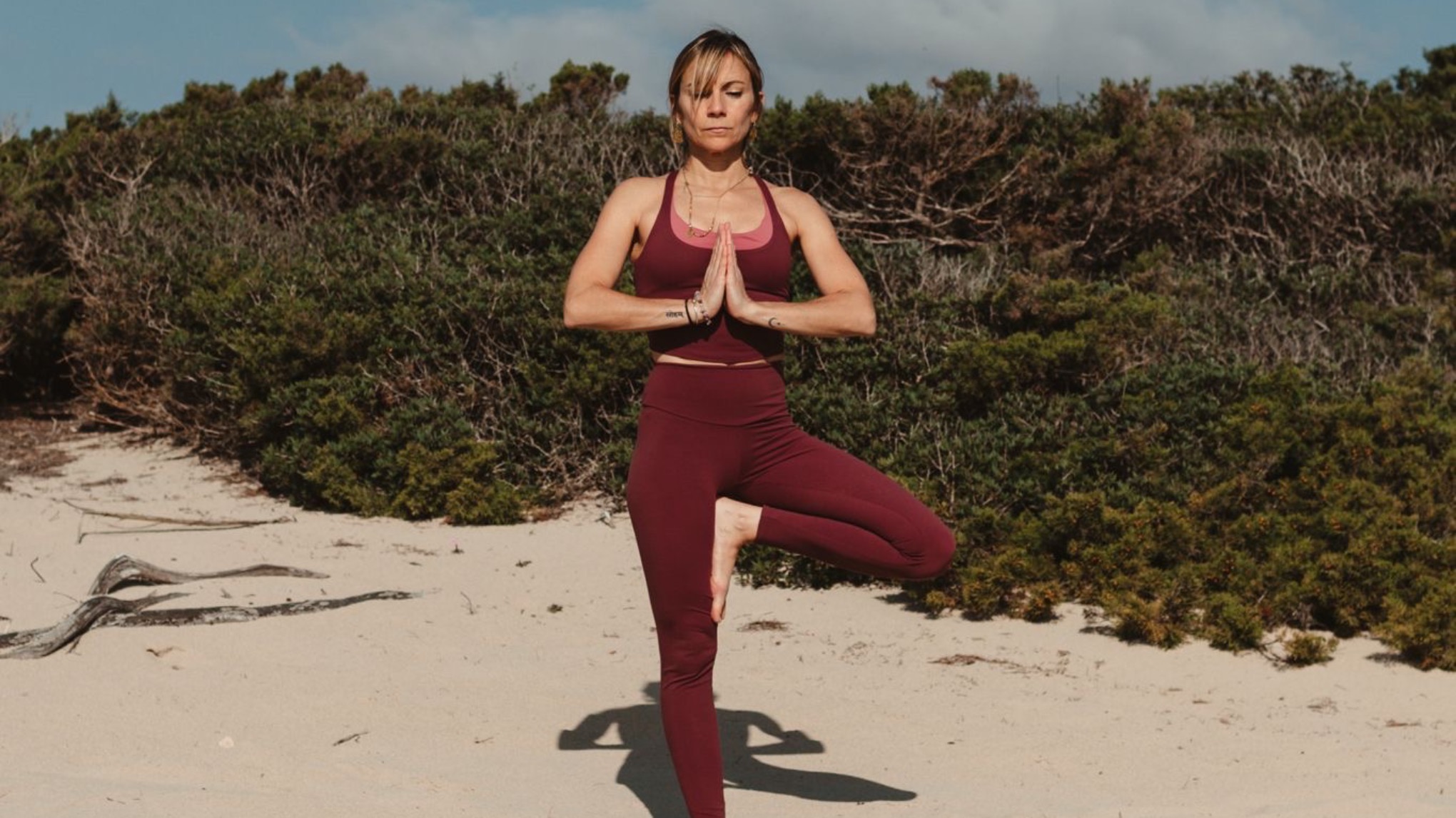
La clase de Hatha Flow yoga, combina posturas tradicionales del Hatha yoga con movimientos fluidos que enlazan una postura con otra. Se centra en la alineación, la respiración consciente y la transición suave entre posturas, ofreciendo un ritmo moderado que mejora la fuerza, la flexibilidad y la concentración. Ideal para quienes buscan equilibrio entre esfuerzo físico y relajación mental.
Compartir esta clase
Añadir al calendario
10:30
Sofia
YIN YOGA ☯️ / Marta (Join us in-person or online)
SANTA EULALIA, MARTA YOGA IBIZA
YIN YOGA ☯️ / Marta (Join us in-person or online)
28 mayo 2025 •
10:30 - 11:45
SANTA EULALIA, MARTA YOGA IBIZA
Sofia Satory Yoga Ibiza
Descripción
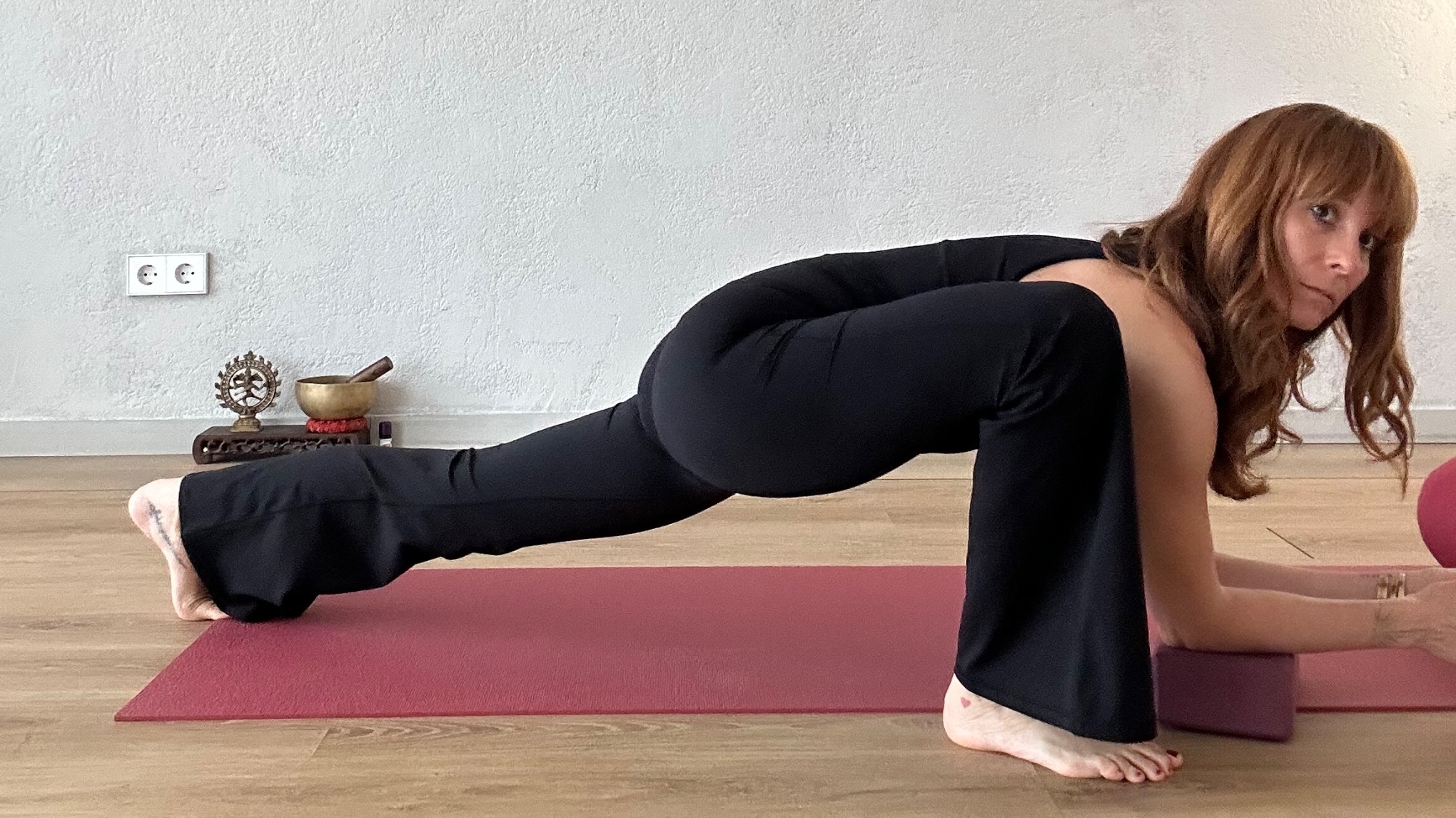
El yin yoga es una práctica lenta de asanas, cuyas posturas se realizan normalmente en el suelo, y se mantienen de forma pasiva durante un periodo de tiempo entre los 2 y los 5 minutos aproximadamente, logrando así un amplio estiramiento, calmando nuestra mente y nuestro cuerpo.
Gracias a esta delicada práctica podemos conseguir sensaciones de bienestar placenteras, perfectas para desconectar, disfrutar y relajarnos. Se trata de mantener la quietud y movernos lentamente entre postura y postura.
Esto no quiere decir que la práctica yin no requiera esfuerzo. Es realmente complicado mantener durante tanto tiempo las posturas de yoga. Es la gravedad la que actúa sobre nuestro cuerpo, y los estiramientos consiguen llegar hasta las capas más profundas gracias a la activación pasiva de los tejidos conectivos.
También se trabajan los canales energéticos de los meridianos, nervios y el sistema sanguíneo que puede que conozcáis si estáis familiarizados con la medicina tradicional china o la acupuntura.
¿PARA QUÉ SIRVE EL YIN YOGA?
No sólo nos ayuda a ganar flexibilidad de manera pasiva al sostener las asanas, sino que hace de meditación gracias a la respiración pausada y consciente durante las mismas.
Podremos encontrar un espacio de paz en la práctica, recuperar movilidad y prevenir lesiones derivadas de otras disciplina deportivas, ya que es uno de los estilos de yoga que incrementará notablemente nuestro rango de movilidad.
Es un yoga restaurativo que nos permitirá terminar la sesión con sensación de gozo y bienestar. Es fundamental no sentir “dolor” durante la práctica, aunque es normal tener cierta “incomodidad” al principio.
¡Atento! Puede ocurrir que en una sesión de yin surjan determinadas sensaciones, no sólo físicas sino emocionales, mi recomendación es dejarlas fluir, si te vienen ganas de llorar, sonreír, suspirar… deja que sigan su proceso mientras respiras y aflojas sin juzgarte, al finalizar verás como sientes un gran alivio.
A veces el yin yoga nos permite aligerar “mochilas” que llevábamos con nosotros sin darnos ni cuenta.
BENEFICIOS DEL YIN YOGA
Es una práctica segura que respeta la anatomía de cada yogui y se puede realizar a cualquier edad y en cualquier condición física ya que las asanas se adaptan a cada practicante con el uso de bloques, cinturones, bolster, mantas y otros soportes.
Aumenta la flexibilidad de forma pasiva.
Relaja el sistema nervioso central al trabajar la quietud y la calma en las posturas.
Contrarresta el estilo de vida activo y dinámico de nuestro día a día, complemento perfecto para la práctica del yoga más activa o deportes de gran actividad, y podemos recurrir a ella en momentos de cansancio o estrés.
Trabaja sobre las fascias, movilizándolas con delicadeza mientras consigue un amplio rango de movimiento, y con ello apertura corporal, mental y emocional, además de bienestar general como si acabaras de recibir un masaje.
Relaja tensiones, afloja y te permite estar en el aquí y el ahora al tratarse de una práctica regeneradora y con el mínimo esfuerzo muscular.
Moviliza el prana o energía vital y esto repercute de manera positiva en nuestro organismo, órganos y tejidos.
Ayuda a la concentración y a la conciencia corporal.
Favorece la auto-práctica, ya que al ser pasiva y las posturas de larga duración, podemos repetirlas sin la necesidad de que un profesor nos guíe.
Los beneficios se pueden perciben desde la primera práctica y seguro que llegados a este punto estás deseando probar.
--------------------------------------------------------------------------------------------------------
English version:
Yin yoga is a slow practice of asanas, whose postures are normally performed on the floor, and are held passively for a period of time between approximately 2 and 5 minutes, thus achieving a wide stretch, calming our mind and body.
Thanks to this delicate practice we can achieve pleasant sensations of well-being, perfect for disconnecting, enjoying and relaxing. It is about maintaining stillness and moving slowly between postures.
This is not to say that yin practice is effortless. It is really difficult to maintain yoga postures for so long. It is gravity that acts on our body, and stretching manages to reach the deepest layers thanks to the passive activation of connective tissues.
The energy channels of the meridians, nerves and blood system are also worked on, which you may be familiar with if you are familiar with traditional Chinese medicine or acupuncture.
WHAT IS YIN YOGA FOR?
Not only does it help us passively gain flexibility by holding the asanas, but it acts as a meditation thanks to slow and conscious breathing during them.
We will be able to find a space of peace in practice, recover mobility and prevent injuries derived from other sports disciplines, since it is one of the styles of yoga that will significantly increase our range of mobility.
It is a restorative yoga that will allow us to finish the session with a feeling of joy and well-being. It is essential not to feel “pain” during practice, although it is normal to have some “discomfort” at first.
Attentive! It may happen that in a yin session certain sensations arise, not only physical but emotional, my recommendation is to let them flow, if you feel like crying, smiling, sighing... let them continue their process while you breathe and relax without judging yourself, at the end you will see how you feel great relief.
Sometimes yin yoga allows us to lighten “backpacks” that we carried with us without even realizing it.
BENEFITS OF YIN YOGA
It is a safe practice that respects the anatomy of each yogi and can be performed at any age and in any physical condition since the asanas are adapted to each practitioner with the use of blocks, belts, bolsters, blankets and other supports.
Passively increases flexibility.
Relaxes the central nervous system by working on stillness and calm in postures.
It counteracts the active and dynamic lifestyle of our daily lives, a perfect complement for the more active yoga practice or highly active sports, and we can resort to it in moments of fatigue or stress.
Work on the fascia, mobilizing them delicately while achieving a wide range of movement, and with it body, mental and emotional opening, as well as general well-being as if you had just received a massage.
It relaxes tensions, loosens and allows you to be in the here and now as it is a regenerative practice and with minimal muscular effort.
It mobilizes prana or vital energy and this has a positive impact on our body, organs and tissues.
Helps concentration and body awareness.
It favors self-practice, since being passive and long-lasting postures, we can repeat them without the need for a teacher to guide us.
The benefits can be perceived from the first practice and surely at this point you are willing to try it.
Gracias a esta delicada práctica podemos conseguir sensaciones de bienestar placenteras, perfectas para desconectar, disfrutar y relajarnos. Se trata de mantener la quietud y movernos lentamente entre postura y postura.
Esto no quiere decir que la práctica yin no requiera esfuerzo. Es realmente complicado mantener durante tanto tiempo las posturas de yoga. Es la gravedad la que actúa sobre nuestro cuerpo, y los estiramientos consiguen llegar hasta las capas más profundas gracias a la activación pasiva de los tejidos conectivos.
También se trabajan los canales energéticos de los meridianos, nervios y el sistema sanguíneo que puede que conozcáis si estáis familiarizados con la medicina tradicional china o la acupuntura.
¿PARA QUÉ SIRVE EL YIN YOGA?
No sólo nos ayuda a ganar flexibilidad de manera pasiva al sostener las asanas, sino que hace de meditación gracias a la respiración pausada y consciente durante las mismas.
Podremos encontrar un espacio de paz en la práctica, recuperar movilidad y prevenir lesiones derivadas de otras disciplina deportivas, ya que es uno de los estilos de yoga que incrementará notablemente nuestro rango de movilidad.
Es un yoga restaurativo que nos permitirá terminar la sesión con sensación de gozo y bienestar. Es fundamental no sentir “dolor” durante la práctica, aunque es normal tener cierta “incomodidad” al principio.
¡Atento! Puede ocurrir que en una sesión de yin surjan determinadas sensaciones, no sólo físicas sino emocionales, mi recomendación es dejarlas fluir, si te vienen ganas de llorar, sonreír, suspirar… deja que sigan su proceso mientras respiras y aflojas sin juzgarte, al finalizar verás como sientes un gran alivio.
A veces el yin yoga nos permite aligerar “mochilas” que llevábamos con nosotros sin darnos ni cuenta.
BENEFICIOS DEL YIN YOGA
Es una práctica segura que respeta la anatomía de cada yogui y se puede realizar a cualquier edad y en cualquier condición física ya que las asanas se adaptan a cada practicante con el uso de bloques, cinturones, bolster, mantas y otros soportes.
Aumenta la flexibilidad de forma pasiva.
Relaja el sistema nervioso central al trabajar la quietud y la calma en las posturas.
Contrarresta el estilo de vida activo y dinámico de nuestro día a día, complemento perfecto para la práctica del yoga más activa o deportes de gran actividad, y podemos recurrir a ella en momentos de cansancio o estrés.
Trabaja sobre las fascias, movilizándolas con delicadeza mientras consigue un amplio rango de movimiento, y con ello apertura corporal, mental y emocional, además de bienestar general como si acabaras de recibir un masaje.
Relaja tensiones, afloja y te permite estar en el aquí y el ahora al tratarse de una práctica regeneradora y con el mínimo esfuerzo muscular.
Moviliza el prana o energía vital y esto repercute de manera positiva en nuestro organismo, órganos y tejidos.
Ayuda a la concentración y a la conciencia corporal.
Favorece la auto-práctica, ya que al ser pasiva y las posturas de larga duración, podemos repetirlas sin la necesidad de que un profesor nos guíe.
Los beneficios se pueden perciben desde la primera práctica y seguro que llegados a este punto estás deseando probar.
--------------------------------------------------------------------------------------------------------
English version:
Yin yoga is a slow practice of asanas, whose postures are normally performed on the floor, and are held passively for a period of time between approximately 2 and 5 minutes, thus achieving a wide stretch, calming our mind and body.
Thanks to this delicate practice we can achieve pleasant sensations of well-being, perfect for disconnecting, enjoying and relaxing. It is about maintaining stillness and moving slowly between postures.
This is not to say that yin practice is effortless. It is really difficult to maintain yoga postures for so long. It is gravity that acts on our body, and stretching manages to reach the deepest layers thanks to the passive activation of connective tissues.
The energy channels of the meridians, nerves and blood system are also worked on, which you may be familiar with if you are familiar with traditional Chinese medicine or acupuncture.
WHAT IS YIN YOGA FOR?
Not only does it help us passively gain flexibility by holding the asanas, but it acts as a meditation thanks to slow and conscious breathing during them.
We will be able to find a space of peace in practice, recover mobility and prevent injuries derived from other sports disciplines, since it is one of the styles of yoga that will significantly increase our range of mobility.
It is a restorative yoga that will allow us to finish the session with a feeling of joy and well-being. It is essential not to feel “pain” during practice, although it is normal to have some “discomfort” at first.
Attentive! It may happen that in a yin session certain sensations arise, not only physical but emotional, my recommendation is to let them flow, if you feel like crying, smiling, sighing... let them continue their process while you breathe and relax without judging yourself, at the end you will see how you feel great relief.
Sometimes yin yoga allows us to lighten “backpacks” that we carried with us without even realizing it.
BENEFITS OF YIN YOGA
It is a safe practice that respects the anatomy of each yogi and can be performed at any age and in any physical condition since the asanas are adapted to each practitioner with the use of blocks, belts, bolsters, blankets and other supports.
Passively increases flexibility.
Relaxes the central nervous system by working on stillness and calm in postures.
It counteracts the active and dynamic lifestyle of our daily lives, a perfect complement for the more active yoga practice or highly active sports, and we can resort to it in moments of fatigue or stress.
Work on the fascia, mobilizing them delicately while achieving a wide range of movement, and with it body, mental and emotional opening, as well as general well-being as if you had just received a massage.
It relaxes tensions, loosens and allows you to be in the here and now as it is a regenerative practice and with minimal muscular effort.
It mobilizes prana or vital energy and this has a positive impact on our body, organs and tissues.
Helps concentration and body awareness.
It favors self-practice, since being passive and long-lasting postures, we can repeat them without the need for a teacher to guide us.
The benefits can be perceived from the first practice and surely at this point you are willing to try it.
Compartir esta clase
Añadir al calendario
Jueves, 29 mayo
18:00
Sofia
SIVANANDA YOGA 📿 / Marta (Join us in-person or online)
SANTA EULALIA, MARTA YOGA IBIZA
SIVANANDA YOGA 📿 / Marta (Join us in-person or online) Cancelada
29 mayo 2025 •
18:00 - 19:15
SANTA EULALIA, MARTA YOGA IBIZA
Sofia Satory Yoga Ibiza
Descripción
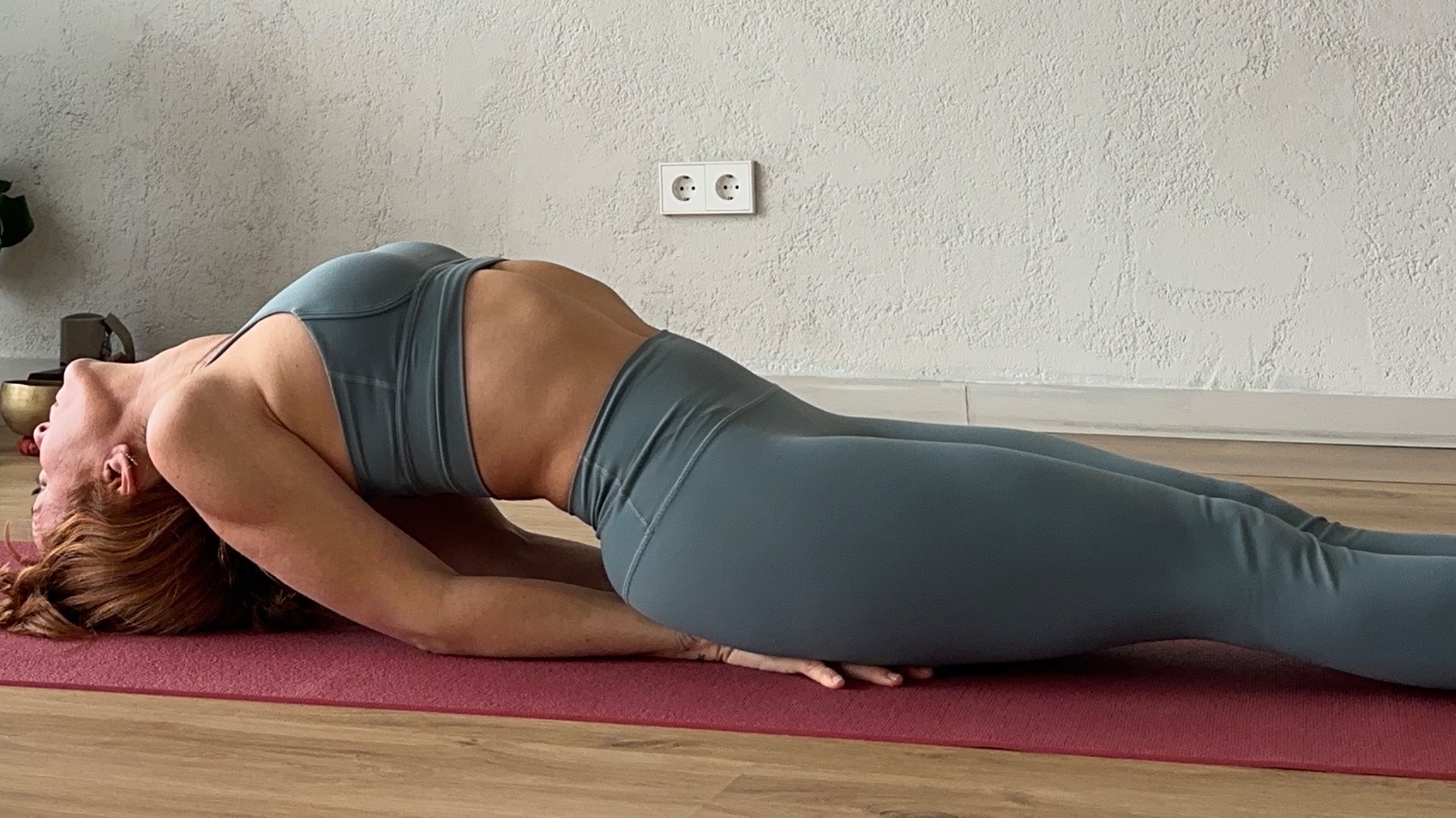
Sivananda yoga es un estilo de yoga que Swami Sivananda fundó y que Vishnudevananda, su discípulo y alumno, divulgó por Occidente (1957).
Swami Sivananda (1887 – 1963)
Santo de la India que hizo accesible la filosofía del yoga y de la escuela de filosofía Vedanta a todo el mundo.
“Sirve, ama, da, purifica, medita, realízate”.
Su legado es la base de los centros internacionales de Sivananda Yoga Vedanta.
Swami Vishnudevananda (1927 – 1993)
Fue quien se encargó de difundir las enseñanzas del yoga en el lugar de Swami Sivananda, su maestro. Fue también el fundador de los centros internacionales de Sivananda Yoga Vedanta en 1957 y de la institución True World Order para promover la paz mundial.
Maestro también de raja y hatha yoga, escribió “El libro del yoga” y “Meditación y mantras“.
El yoga se creó en India, así como el Sivananda yoga, para aliviar el dolor y conseguir esa unificación entre mente y cuerpo; aunque, como otros tipos de yoga, se basa en el hatha yoga.
Se caracteriza por ser una práctica de yoga lenta que se centra sobre todo en meditar y respirar, con un carácter más espiritual. Es un estilo bastante difundido a nivel global como ocurre con el yoga Iyengar, el bikram yoga o el power yoga.
PRINCIPIOS DEL YOGA SIVANANDA
Swami Vishnudevananda simplificó lo aprendido Swami Sivananda agrupándolo en cinco principios o pilares fundamentales para crear así una disciplina de yoga que fuera más accesible en Occidente, tanto a nivel físico como mental, así como para el desarrollo espiritual.
Asanas o posturas: en cada clase se hacen 12 posturas básicas que, en caso de ser necesario, incluyen determinadas variantes.
Pranayamas o técnicas de respiración: llevar un control, respirando profunda y lentamente; de forma consciente.
Postura de savasana o de relajación: entrar en un estado de relajación profundo para conseguir calmar el cuerpo y la mente.
Dieta vegetariana: los alimentos que llevamos a nuestro cuerpo determinan nuestro estado de salud. Por eso es recomendable no incluir animales.
Positividad y meditación: esto nos ayudará a pensar desde otro punto de vista y a afrontar el día con mayor felicidad.
¿CÓMO ES UNA CLASE DE SIVANANDA YOGA?
Se suele seguir siempre una estructura similar y específica para trabajar y activar los chakras fundamentales progresivamente. En las sesiones de sivananda se empieza y se termina con la meditación y el canto; se hace también uno o varios saludos al sol y, para terminar, la postura de savasana, incluyendo siempre las mismas 12 asanas o posturas básicas, así como sus variantes.
Para aquellos que no están muy convencidos con cambiar a una dieta vegetariana, este tipo de yoga no es muy recomendable, puesto que promueve llevar un estilo de vida vegetariano para mejorar tanto la digestión como la salud en general.
De forma esquemática y resumida, las clases siguen esta secuencia:
Primeros minutos de relajación (en la postura de savasana).
Ejercicios de respiración o pranayamas: para revitalizarte y llenarte de energía.
Un ejercicio de respiración con la fosa nasal de forma alterna (también conocida como anuloma viloma).
Ejercicios localizados en zonas como los hombros, el cuello y los ojos.
Saludo al sol o surya namaskar a modo de calentamiento para fortalecer el cuerpo.
Determinados ejercicios que tonifiquen los abdominales, las piernas y la zona lumbar.
12 asanas básicas.
---------------------------------------------------------------------------------------------------------
English:
Sivananda yoga is a style of yoga that Swami Sivananda founded and that Vishnudevananda, his disciple and student, spread throughout the West (1957).
Swami Sivananda (1887 – 1963)
Saint of India who made the philosophy of yoga and the Vedanta school of philosophy accessible to everyone.
“Serve, love, give, purify, meditate, realize yourself.”
His legacy is the basis of the international centers of Sivananda Yoga Vedanta.
Swami Vishnudevananda (1927 – 1993)
He was the one who was responsible for spreading the teachings of yoga in the place of Swami Sivananda, his teacher. He was also the founder of the international centers of Sivananda Yoga Vedanta in 1957 and the True World Order institution to promote world peace.
Also a teacher of raja and hatha yoga, he wrote “The Book of Yoga” and “Meditation and Mantras.”
Yoga was created in India, as well as Sivananda yoga, to relieve pain and achieve that unification between mind and body; although, like other types of yoga, it is based on hatha yoga.
It is characterized by being a slow yoga practice that focuses above all on meditating and breathing, with a more spiritual nature. It is a style that is quite widespread globally, as is the case with Iyengar yoga, Bikram yoga or power yoga.
PRINCIPLES OF SIVANANDA YOGA
Swami Vishnudevananda simplified what Swami Sivananda learned by grouping it into five fundamental principles or pillars to create a yoga discipline that was more accessible in the West, both physically and mentally, as well as for spiritual development.
Asanas or postures: in each class 12 basic postures are done which, if necessary, include certain variants.
Pranayamas or breathing techniques: keep track, breathing deeply and slowly; consciously.
Savasana or relaxation posture: enter a state of deep relaxation to calm the body and mind.
Vegetarian diet: the foods we put into our bodies determine our state of health. That is why it is advisable not to include animals.
Positivity and meditation: this will help us think from another point of view and face the day with greater happiness.
WHAT IS A SIVANANDA YOGA CLASS LIKE?
A similar and specific structure is usually always followed to work and activate the fundamental chakras progressively. Sivananda sessions begin and end with meditation and chanting; One or more sun salutations are also performed and, finally, the savasana posture, always including the same 12 asanas or basic postures, as well as their variants.
For those who are not very convinced about switching to a vegetarian diet, this type of yoga is not highly recommended, since it promotes living a vegetarian lifestyle to improve both digestion and general health.
In a schematic and summarized way, the classes follow this sequence:
First minutes of relaxation (in the savasana posture).
Breathing exercises or pranayamas: to revitalize you and fill you with energy.
An alternate nostril breathing exercise (also known as anuloma viloma).
Exercises located in areas such as the shoulders, neck and eyes.
Sun salutation or surya namaskar as a warm-up to strengthen the body.
Certain exercises that tone the abdominals, legs and lower back.
12 basic asanas.
Swami Sivananda (1887 – 1963)
Santo de la India que hizo accesible la filosofía del yoga y de la escuela de filosofía Vedanta a todo el mundo.
“Sirve, ama, da, purifica, medita, realízate”.
Su legado es la base de los centros internacionales de Sivananda Yoga Vedanta.
Swami Vishnudevananda (1927 – 1993)
Fue quien se encargó de difundir las enseñanzas del yoga en el lugar de Swami Sivananda, su maestro. Fue también el fundador de los centros internacionales de Sivananda Yoga Vedanta en 1957 y de la institución True World Order para promover la paz mundial.
Maestro también de raja y hatha yoga, escribió “El libro del yoga” y “Meditación y mantras“.
El yoga se creó en India, así como el Sivananda yoga, para aliviar el dolor y conseguir esa unificación entre mente y cuerpo; aunque, como otros tipos de yoga, se basa en el hatha yoga.
Se caracteriza por ser una práctica de yoga lenta que se centra sobre todo en meditar y respirar, con un carácter más espiritual. Es un estilo bastante difundido a nivel global como ocurre con el yoga Iyengar, el bikram yoga o el power yoga.
PRINCIPIOS DEL YOGA SIVANANDA
Swami Vishnudevananda simplificó lo aprendido Swami Sivananda agrupándolo en cinco principios o pilares fundamentales para crear así una disciplina de yoga que fuera más accesible en Occidente, tanto a nivel físico como mental, así como para el desarrollo espiritual.
Asanas o posturas: en cada clase se hacen 12 posturas básicas que, en caso de ser necesario, incluyen determinadas variantes.
Pranayamas o técnicas de respiración: llevar un control, respirando profunda y lentamente; de forma consciente.
Postura de savasana o de relajación: entrar en un estado de relajación profundo para conseguir calmar el cuerpo y la mente.
Dieta vegetariana: los alimentos que llevamos a nuestro cuerpo determinan nuestro estado de salud. Por eso es recomendable no incluir animales.
Positividad y meditación: esto nos ayudará a pensar desde otro punto de vista y a afrontar el día con mayor felicidad.
¿CÓMO ES UNA CLASE DE SIVANANDA YOGA?
Se suele seguir siempre una estructura similar y específica para trabajar y activar los chakras fundamentales progresivamente. En las sesiones de sivananda se empieza y se termina con la meditación y el canto; se hace también uno o varios saludos al sol y, para terminar, la postura de savasana, incluyendo siempre las mismas 12 asanas o posturas básicas, así como sus variantes.
Para aquellos que no están muy convencidos con cambiar a una dieta vegetariana, este tipo de yoga no es muy recomendable, puesto que promueve llevar un estilo de vida vegetariano para mejorar tanto la digestión como la salud en general.
De forma esquemática y resumida, las clases siguen esta secuencia:
Primeros minutos de relajación (en la postura de savasana).
Ejercicios de respiración o pranayamas: para revitalizarte y llenarte de energía.
Un ejercicio de respiración con la fosa nasal de forma alterna (también conocida como anuloma viloma).
Ejercicios localizados en zonas como los hombros, el cuello y los ojos.
Saludo al sol o surya namaskar a modo de calentamiento para fortalecer el cuerpo.
Determinados ejercicios que tonifiquen los abdominales, las piernas y la zona lumbar.
12 asanas básicas.
---------------------------------------------------------------------------------------------------------
English:
Sivananda yoga is a style of yoga that Swami Sivananda founded and that Vishnudevananda, his disciple and student, spread throughout the West (1957).
Swami Sivananda (1887 – 1963)
Saint of India who made the philosophy of yoga and the Vedanta school of philosophy accessible to everyone.
“Serve, love, give, purify, meditate, realize yourself.”
His legacy is the basis of the international centers of Sivananda Yoga Vedanta.
Swami Vishnudevananda (1927 – 1993)
He was the one who was responsible for spreading the teachings of yoga in the place of Swami Sivananda, his teacher. He was also the founder of the international centers of Sivananda Yoga Vedanta in 1957 and the True World Order institution to promote world peace.
Also a teacher of raja and hatha yoga, he wrote “The Book of Yoga” and “Meditation and Mantras.”
Yoga was created in India, as well as Sivananda yoga, to relieve pain and achieve that unification between mind and body; although, like other types of yoga, it is based on hatha yoga.
It is characterized by being a slow yoga practice that focuses above all on meditating and breathing, with a more spiritual nature. It is a style that is quite widespread globally, as is the case with Iyengar yoga, Bikram yoga or power yoga.
PRINCIPLES OF SIVANANDA YOGA
Swami Vishnudevananda simplified what Swami Sivananda learned by grouping it into five fundamental principles or pillars to create a yoga discipline that was more accessible in the West, both physically and mentally, as well as for spiritual development.
Asanas or postures: in each class 12 basic postures are done which, if necessary, include certain variants.
Pranayamas or breathing techniques: keep track, breathing deeply and slowly; consciously.
Savasana or relaxation posture: enter a state of deep relaxation to calm the body and mind.
Vegetarian diet: the foods we put into our bodies determine our state of health. That is why it is advisable not to include animals.
Positivity and meditation: this will help us think from another point of view and face the day with greater happiness.
WHAT IS A SIVANANDA YOGA CLASS LIKE?
A similar and specific structure is usually always followed to work and activate the fundamental chakras progressively. Sivananda sessions begin and end with meditation and chanting; One or more sun salutations are also performed and, finally, the savasana posture, always including the same 12 asanas or basic postures, as well as their variants.
For those who are not very convinced about switching to a vegetarian diet, this type of yoga is not highly recommended, since it promotes living a vegetarian lifestyle to improve both digestion and general health.
In a schematic and summarized way, the classes follow this sequence:
First minutes of relaxation (in the savasana posture).
Breathing exercises or pranayamas: to revitalize you and fill you with energy.
An alternate nostril breathing exercise (also known as anuloma viloma).
Exercises located in areas such as the shoulders, neck and eyes.
Sun salutation or surya namaskar as a warm-up to strengthen the body.
Certain exercises that tone the abdominals, legs and lower back.
12 basic asanas.
Compartir esta clase
Añadir al calendario
Viernes, 30 mayo
18:00
Sofia
POWER VINYASA YOGA / Antonella
Santa Eulalia del Río (Ibiza), MARTA YOGA IBIZA
POWER VINYASA YOGA / Antonella Cancelada
30 mayo 2025 •
18:00 - 19:15
Santa Eulalia del Río (Ibiza), MARTA YOGA IBIZA
Sofia Satory Yoga Ibiza
Descripción
POWER VINYASA
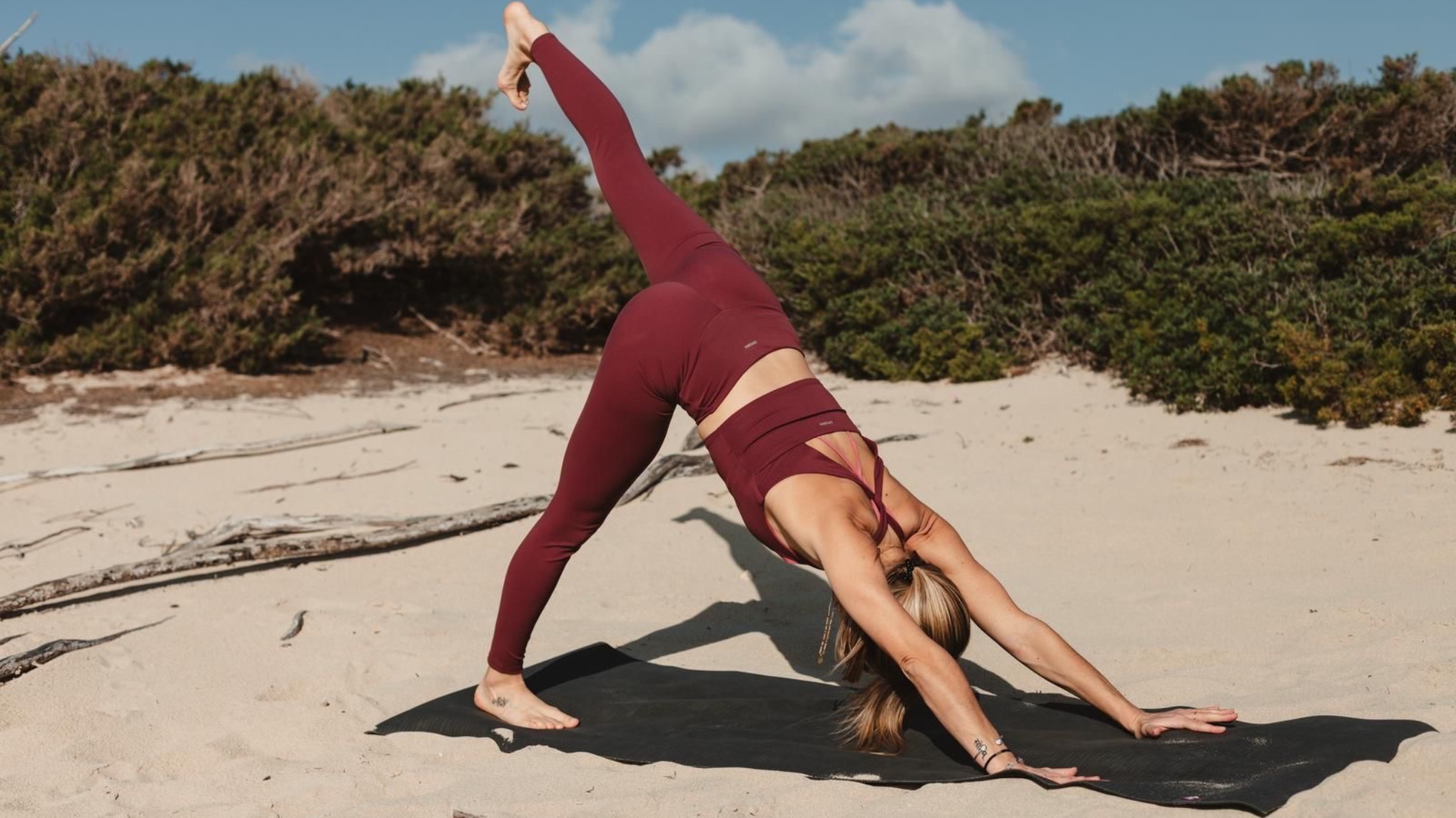
Una práctica intensa, fluida y energizante que conecta movimiento y respiración de forma consciente. Esta clase se centra en desarrollar fuerza, resistencia y vitalidad a través de secuencias dinámicas, posturas desafiantes y un ritmo activo. Ideal para quienes buscan una práctica potente que también cultive la concentración y el equilibrio mental.
———————————————————————
English
An energizing, fluid and dynamic practice that links movement and breath in a conscious flow. This class focuses on building strength, endurance and vitality through continuous movement, challenging postures and an active pace. Perfect for those looking for a powerful practice that also nurtures focus and mental balance.
Una práctica intensa, fluida y energizante que conecta movimiento y respiración de forma consciente. Esta clase se centra en desarrollar fuerza, resistencia y vitalidad a través de secuencias dinámicas, posturas desafiantes y un ritmo activo. Ideal para quienes buscan una práctica potente que también cultive la concentración y el equilibrio mental.
———————————————————————
English
An energizing, fluid and dynamic practice that links movement and breath in a conscious flow. This class focuses on building strength, endurance and vitality through continuous movement, challenging postures and an active pace. Perfect for those looking for a powerful practice that also nurtures focus and mental balance.
Compartir esta clase
Añadir al calendario
Sábado, 31 mayo
10:30
Sofia
YIN YOGA ☯️ / Marta (Join us in-person or online)
SANTA EULALIA, MARTA YOGA IBIZA
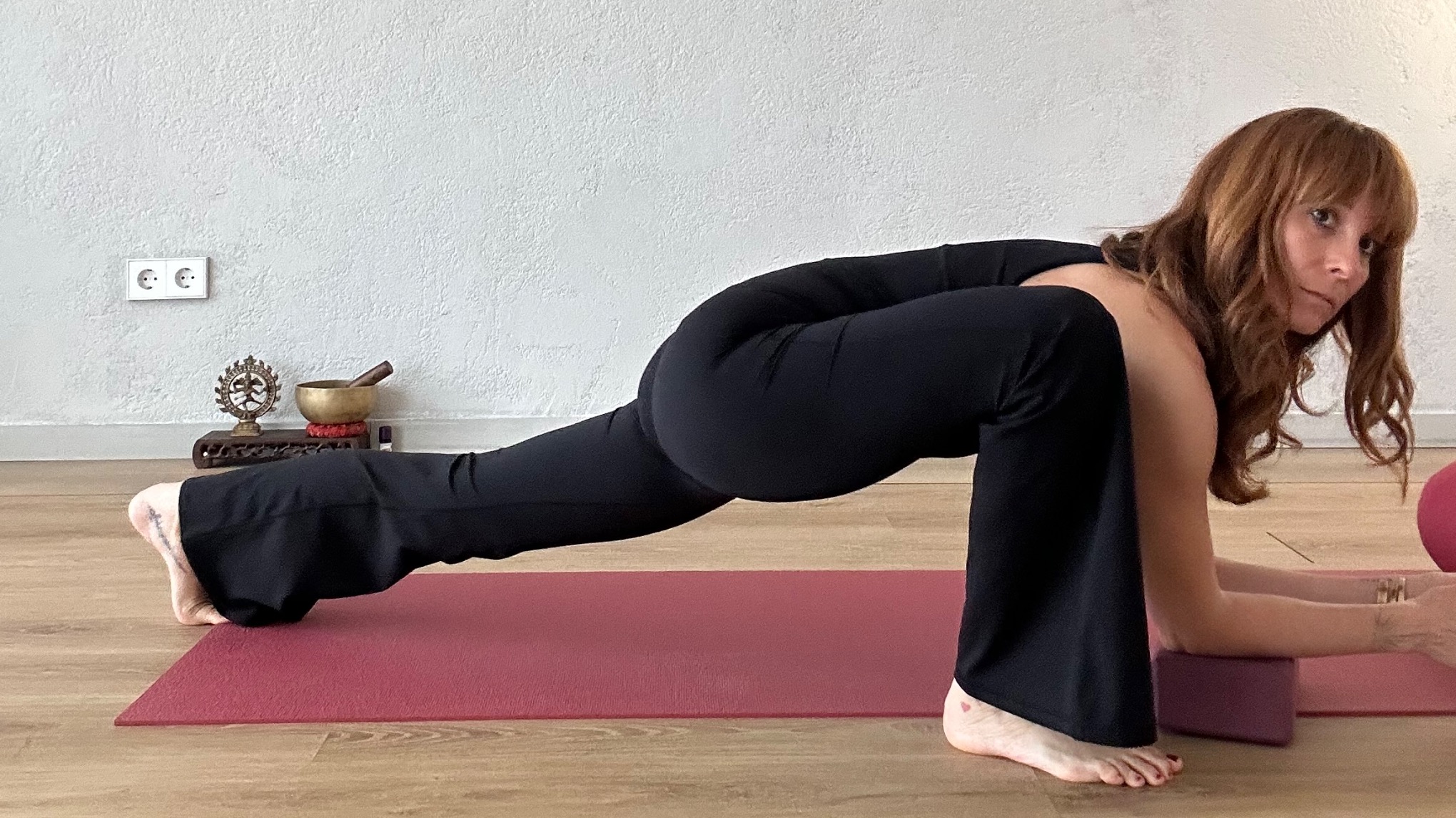
YIN YOGA ☯️ / Marta (Join us in-person or online)
31 mayo 2025 •
10:30 - 11:45
SANTA EULALIA, MARTA YOGA IBIZA
Sofia Satory Yoga Ibiza
Descripción
El yin yoga es una práctica lenta de asanas, cuyas posturas se realizan normalmente en el suelo, y se mantienen de forma pasiva durante un periodo de tiempo entre los 2 y los 5 minutos aproximadamente, logrando así un amplio estiramiento, calmando nuestra mente y nuestro cuerpo.
Gracias a esta delicada práctica podemos conseguir sensaciones de bienestar placenteras, perfectas para desconectar, disfrutar y relajarnos. Se trata de mantener la quietud y movernos lentamente entre postura y postura.
Esto no quiere decir que la práctica yin no requiera esfuerzo. Es realmente complicado mantener durante tanto tiempo las posturas de yoga. Es la gravedad la que actúa sobre nuestro cuerpo, y los estiramientos consiguen llegar hasta las capas más profundas gracias a la activación pasiva de los tejidos conectivos.
También se trabajan los canales energéticos de los meridianos, nervios y el sistema sanguíneo que puede que conozcáis si estáis familiarizados con la medicina tradicional china o la acupuntura.
¿PARA QUÉ SIRVE EL YIN YOGA?
No sólo nos ayuda a ganar flexibilidad de manera pasiva al sostener las asanas, sino que hace de meditación gracias a la respiración pausada y consciente durante las mismas.
Podremos encontrar un espacio de paz en la práctica, recuperar movilidad y prevenir lesiones derivadas de otras disciplina deportivas, ya que es uno de los estilos de yoga que incrementará notablemente nuestro rango de movilidad.
Es un yoga restaurativo que nos permitirá terminar la sesión con sensación de gozo y bienestar. Es fundamental no sentir “dolor” durante la práctica, aunque es normal tener cierta “incomodidad” al principio.
¡Atento! Puede ocurrir que en una sesión de yin surjan determinadas sensaciones, no sólo físicas sino emocionales, mi recomendación es dejarlas fluir, si te vienen ganas de llorar, sonreír, suspirar… deja que sigan su proceso mientras respiras y aflojas sin juzgarte, al finalizar verás como sientes un gran alivio.
A veces el yin yoga nos permite aligerar “mochilas” que llevábamos con nosotros sin darnos ni cuenta.
BENEFICIOS DEL YIN YOGA
Es una práctica segura que respeta la anatomía de cada yogui y se puede realizar a cualquier edad y en cualquier condición física ya que las asanas se adaptan a cada practicante con el uso de bloques, cinturones, bolster, mantas y otros soportes.
Aumenta la flexibilidad de forma pasiva.
Relaja el sistema nervioso central al trabajar la quietud y la calma en las posturas.
Contrarresta el estilo de vida activo y dinámico de nuestro día a día, complemento perfecto para la práctica del yoga más activa o deportes de gran actividad, y podemos recurrir a ella en momentos de cansancio o estrés.
Trabaja sobre las fascias, movilizándolas con delicadeza mientras consigue un amplio rango de movimiento, y con ello apertura corporal, mental y emocional, además de bienestar general como si acabaras de recibir un masaje.
Relaja tensiones, afloja y te permite estar en el aquí y el ahora al tratarse de una práctica regeneradora y con el mínimo esfuerzo muscular.
Moviliza el prana o energía vital y esto repercute de manera positiva en nuestro organismo, órganos y tejidos.
Ayuda a la concentración y a la conciencia corporal.
Favorece la auto-práctica, ya que al ser pasiva y las posturas de larga duración, podemos repetirlas sin la necesidad de que un profesor nos guíe.
Los beneficios se pueden perciben desde la primera práctica y seguro que llegados a este punto estás deseando probar.
---------------------------------------------------------------------------------------------------------
English version:
Yin yoga is a slow practice of asanas, whose postures are normally performed on the floor, and are held passively for a period of time between approximately 2 and 5 minutes, thus achieving a wide stretch, calming our mind and body.
Thanks to this delicate practice we can achieve pleasant sensations of well-being, perfect for disconnecting, enjoying and relaxing. It is about maintaining stillness and moving slowly between postures.
This is not to say that yin practice is effortless. It is really difficult to maintain yoga postures for so long. It is gravity that acts on our body, and stretching manages to reach the deepest layers thanks to the passive activation of connective tissues.
The energy channels of the meridians, nerves and blood system are also worked on, which you may be familiar with if you are familiar with traditional Chinese medicine or acupuncture.
WHAT IS YIN YOGA FOR?
Not only does it help us passively gain flexibility by holding the asanas, but it acts as a meditation thanks to slow and conscious breathing during them.
We will be able to find a space of peace in practice, recover mobility and prevent injuries derived from other sports disciplines, since it is one of the styles of yoga that will significantly increase our range of mobility.
It is a restorative yoga that will allow us to finish the session with a feeling of joy and well-being. It is essential not to feel “pain” during practice, although it is normal to have some “discomfort” at first.
Attentive! It may happen that in a yin session certain sensations arise, not only physical but emotional, my recommendation is to let them flow, if you feel like crying, smiling, sighing... let them continue their process while you breathe and relax without judging yourself, at the end you will see how you feel great relief.
Sometimes yin yoga allows us to lighten “backpacks” that we carried with us without even realizing it.
BENEFITS OF YIN YOGA
It is a safe practice that respects the anatomy of each yogi and can be performed at any age and in any physical condition since the asanas are adapted to each practitioner with the use of blocks, belts, bolsters, blankets and other supports.
Passively increases flexibility.
Relaxes the central nervous system by working on stillness and calm in postures.
It counteracts the active and dynamic lifestyle of our daily lives, a perfect complement for the more active yoga practice or highly active sports, and we can resort to it in moments of fatigue or stress.
Work on the fascia, mobilizing them delicately while achieving a wide range of movement, and with it body, mental and emotional opening, as well as general well-being as if you had just received a massage.
It relaxes tensions, loosens and allows you to be in the here and now as it is a regenerative practice and with minimal muscular effort.
It mobilizes prana or vital energy and this has a positive impact on our body, organs and tissues.
Helps concentration and body awareness.
It favors self-practice, since being passive and long-lasting postures, we can repeat them without the need for a teacher to guide us.
The benefits can be perceived from the first practice and surely at this point you are willing to try it.
Gracias a esta delicada práctica podemos conseguir sensaciones de bienestar placenteras, perfectas para desconectar, disfrutar y relajarnos. Se trata de mantener la quietud y movernos lentamente entre postura y postura.
Esto no quiere decir que la práctica yin no requiera esfuerzo. Es realmente complicado mantener durante tanto tiempo las posturas de yoga. Es la gravedad la que actúa sobre nuestro cuerpo, y los estiramientos consiguen llegar hasta las capas más profundas gracias a la activación pasiva de los tejidos conectivos.
También se trabajan los canales energéticos de los meridianos, nervios y el sistema sanguíneo que puede que conozcáis si estáis familiarizados con la medicina tradicional china o la acupuntura.
¿PARA QUÉ SIRVE EL YIN YOGA?
No sólo nos ayuda a ganar flexibilidad de manera pasiva al sostener las asanas, sino que hace de meditación gracias a la respiración pausada y consciente durante las mismas.
Podremos encontrar un espacio de paz en la práctica, recuperar movilidad y prevenir lesiones derivadas de otras disciplina deportivas, ya que es uno de los estilos de yoga que incrementará notablemente nuestro rango de movilidad.
Es un yoga restaurativo que nos permitirá terminar la sesión con sensación de gozo y bienestar. Es fundamental no sentir “dolor” durante la práctica, aunque es normal tener cierta “incomodidad” al principio.
¡Atento! Puede ocurrir que en una sesión de yin surjan determinadas sensaciones, no sólo físicas sino emocionales, mi recomendación es dejarlas fluir, si te vienen ganas de llorar, sonreír, suspirar… deja que sigan su proceso mientras respiras y aflojas sin juzgarte, al finalizar verás como sientes un gran alivio.
A veces el yin yoga nos permite aligerar “mochilas” que llevábamos con nosotros sin darnos ni cuenta.
BENEFICIOS DEL YIN YOGA
Es una práctica segura que respeta la anatomía de cada yogui y se puede realizar a cualquier edad y en cualquier condición física ya que las asanas se adaptan a cada practicante con el uso de bloques, cinturones, bolster, mantas y otros soportes.
Aumenta la flexibilidad de forma pasiva.
Relaja el sistema nervioso central al trabajar la quietud y la calma en las posturas.
Contrarresta el estilo de vida activo y dinámico de nuestro día a día, complemento perfecto para la práctica del yoga más activa o deportes de gran actividad, y podemos recurrir a ella en momentos de cansancio o estrés.
Trabaja sobre las fascias, movilizándolas con delicadeza mientras consigue un amplio rango de movimiento, y con ello apertura corporal, mental y emocional, además de bienestar general como si acabaras de recibir un masaje.
Relaja tensiones, afloja y te permite estar en el aquí y el ahora al tratarse de una práctica regeneradora y con el mínimo esfuerzo muscular.
Moviliza el prana o energía vital y esto repercute de manera positiva en nuestro organismo, órganos y tejidos.
Ayuda a la concentración y a la conciencia corporal.
Favorece la auto-práctica, ya que al ser pasiva y las posturas de larga duración, podemos repetirlas sin la necesidad de que un profesor nos guíe.
Los beneficios se pueden perciben desde la primera práctica y seguro que llegados a este punto estás deseando probar.
---------------------------------------------------------------------------------------------------------
English version:
Yin yoga is a slow practice of asanas, whose postures are normally performed on the floor, and are held passively for a period of time between approximately 2 and 5 minutes, thus achieving a wide stretch, calming our mind and body.
Thanks to this delicate practice we can achieve pleasant sensations of well-being, perfect for disconnecting, enjoying and relaxing. It is about maintaining stillness and moving slowly between postures.
This is not to say that yin practice is effortless. It is really difficult to maintain yoga postures for so long. It is gravity that acts on our body, and stretching manages to reach the deepest layers thanks to the passive activation of connective tissues.
The energy channels of the meridians, nerves and blood system are also worked on, which you may be familiar with if you are familiar with traditional Chinese medicine or acupuncture.
WHAT IS YIN YOGA FOR?
Not only does it help us passively gain flexibility by holding the asanas, but it acts as a meditation thanks to slow and conscious breathing during them.
We will be able to find a space of peace in practice, recover mobility and prevent injuries derived from other sports disciplines, since it is one of the styles of yoga that will significantly increase our range of mobility.
It is a restorative yoga that will allow us to finish the session with a feeling of joy and well-being. It is essential not to feel “pain” during practice, although it is normal to have some “discomfort” at first.
Attentive! It may happen that in a yin session certain sensations arise, not only physical but emotional, my recommendation is to let them flow, if you feel like crying, smiling, sighing... let them continue their process while you breathe and relax without judging yourself, at the end you will see how you feel great relief.
Sometimes yin yoga allows us to lighten “backpacks” that we carried with us without even realizing it.
BENEFITS OF YIN YOGA
It is a safe practice that respects the anatomy of each yogi and can be performed at any age and in any physical condition since the asanas are adapted to each practitioner with the use of blocks, belts, bolsters, blankets and other supports.
Passively increases flexibility.
Relaxes the central nervous system by working on stillness and calm in postures.
It counteracts the active and dynamic lifestyle of our daily lives, a perfect complement for the more active yoga practice or highly active sports, and we can resort to it in moments of fatigue or stress.
Work on the fascia, mobilizing them delicately while achieving a wide range of movement, and with it body, mental and emotional opening, as well as general well-being as if you had just received a massage.
It relaxes tensions, loosens and allows you to be in the here and now as it is a regenerative practice and with minimal muscular effort.
It mobilizes prana or vital energy and this has a positive impact on our body, organs and tissues.
Helps concentration and body awareness.
It favors self-practice, since being passive and long-lasting postures, we can repeat them without the need for a teacher to guide us.
The benefits can be perceived from the first practice and surely at this point you are willing to try it.
Compartir esta clase
Añadir al calendario
Domingo, 1 junio
10:30
Sofia
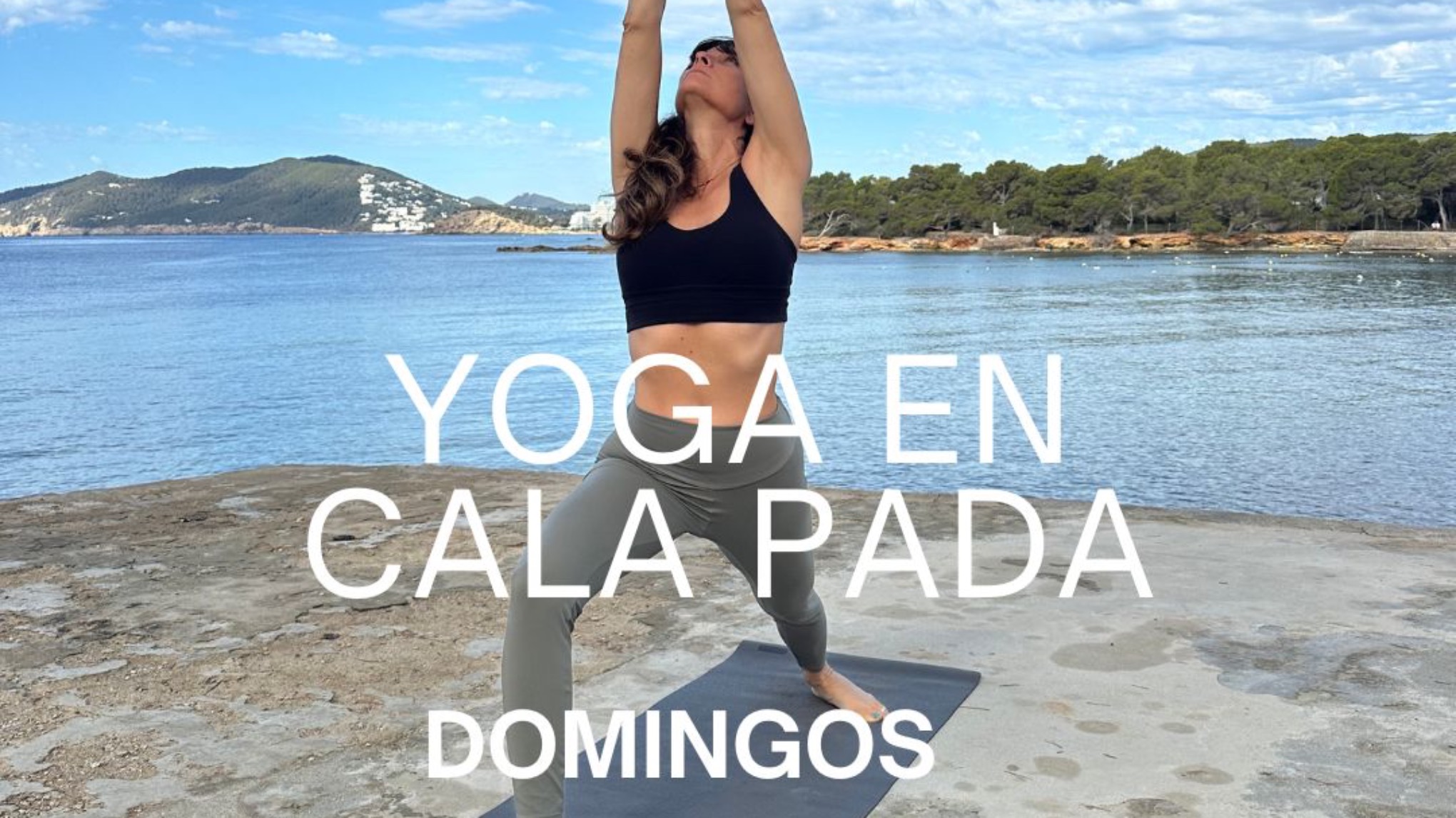
HATHA YOGA "PLAYA CALA PADA" 🪷 / Marta
SANTA EULALIA, PLAYA CALA PADA
HATHA YOGA "PLAYA CALA PADA" 🪷 / Marta Cancelada
1 junio 2025 •
10:30 - 11:45
SANTA EULALIA, PLAYA CALA PADA
Sofia Satory Yoga Ibiza
Descripción
Una práctica suave y equilibrada al aire libre, frente al mar. Conecta con la respiración, fortalece tu cuerpo y encuentra calma en un entorno natural y revitalizante. Apta para todos los niveles. Trae tu esterilla y algo de abrigo si hace viento.
En caso de mal tiempo, la clase se traslada al estudio en Santa Eulalia.
——————————————————————-
English version
A gentle and balanced practice outdoors, by the sea. Connect with your breath, strengthen your body, and find calm in a natural and revitalizing environment. Suitable for all levels. Bring your own mat and something warm in case it’s windy.
In case of bad weather, the class will take place at the studio in Santa Eulalia.
En caso de mal tiempo, la clase se traslada al estudio en Santa Eulalia.
——————————————————————-
English version
A gentle and balanced practice outdoors, by the sea. Connect with your breath, strengthen your body, and find calm in a natural and revitalizing environment. Suitable for all levels. Bring your own mat and something warm in case it’s windy.
In case of bad weather, the class will take place at the studio in Santa Eulalia.
Compartir esta clase
Añadir al calendario