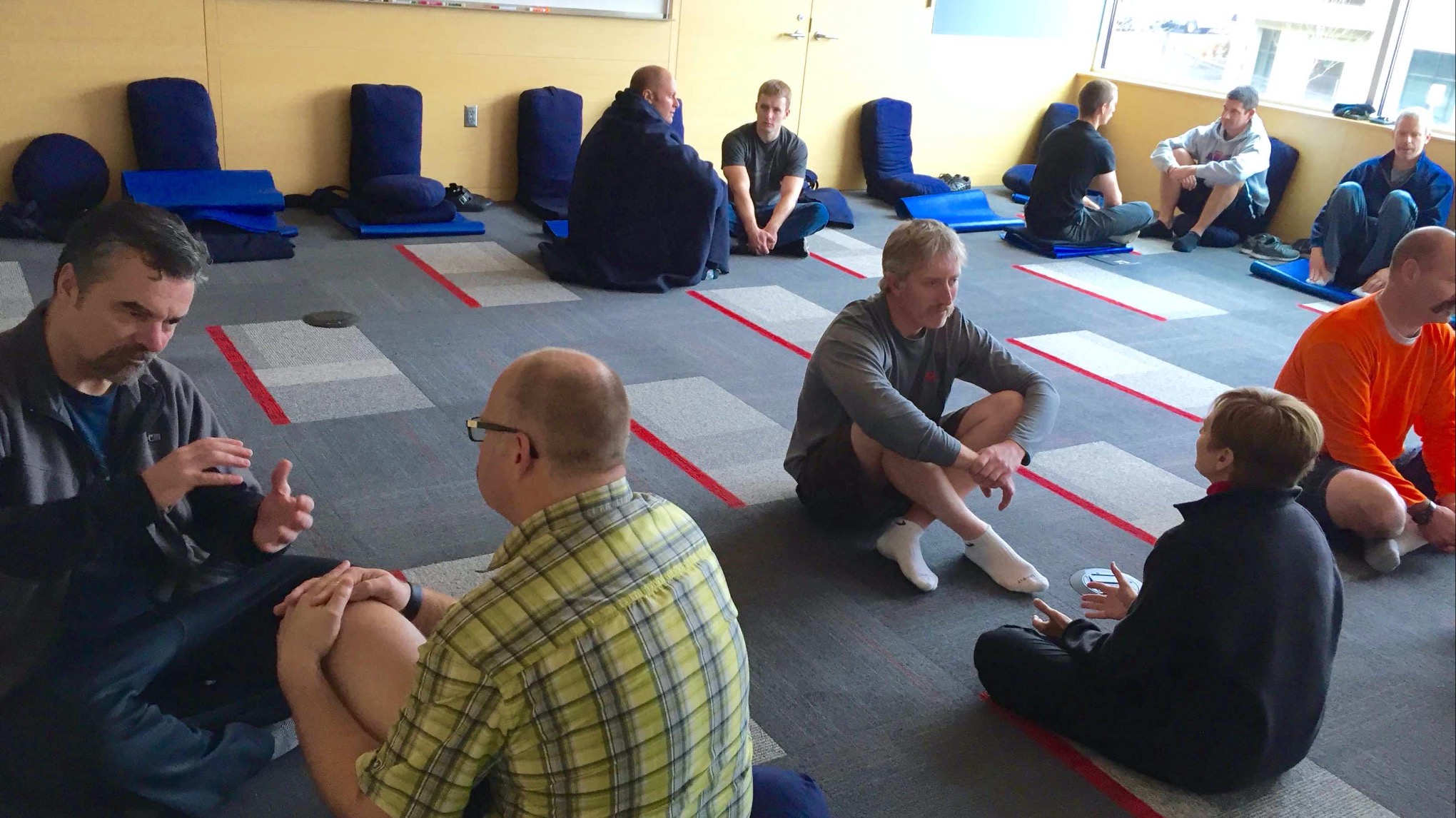
Mindfulness-Based Stress Reduction - In Person at Eugene YMCA
January 25, 2025 •
2:00 pm - 4:00 pm
Eugene Family YMCA, Yoga Studio

Brant Rogers
Description
Mindfulness is a basic human ca- pacity for attentiveness to the direct experience of living moment-to- moment. A very accessible and therapeutically relevant expression of mindfulness is ‘awareness, of present experience, with accep- tance.’ During times of acute stress, trauma or difficulty the body will appropriately adapt by shifting to a mode of high-alert. This mode may echo through a person’s life in some form as an ongoing state physiologically, neurologically and emotionally. External stressors may be gone, but the state may en- dure in the long term and decrease the capacity for ease and recupera- tion. Such lingering stress may take many forms such as pain, dif- ficult physiological states, moods, and more. This can affect health over the long term, often in pro- found, destructive ways. [11] [12]
The practice of mindfulness medi- tation, a foundational element of self-care, can mitigate this linger- ing stress. It enhances the capacity for mindfulness, the ability to rest sustained awareness on the direct experiences of life: physical sensa- tions, thoughts, sounds, affective states, churning of thought, and more. Being more capable of sus- tained attention on current experi- ence enhances the capacity to dis- cern the experience of unconscious reactivity and distraction from the capacity for intuitive choice and conscious attentiveness. As a con- sequence, there is a tendency to be more responsive and less reactive: physiologically, neurologically, emotionally and socially. As these burdens lift, people are potentially more healthy and capable of heal- ing. Practitioners are more capable of compassionate and healthy inter- and intrapersonal relationships. The therapeutic consequences of this practice are substantial and are being well recognized in the fields medicine and psychotherapy in a variety of ways.
The practice of mindfulness medi- tation, a foundational element of self-care, can mitigate this linger- ing stress. It enhances the capacity for mindfulness, the ability to rest sustained awareness on the direct experiences of life: physical sensa- tions, thoughts, sounds, affective states, churning of thought, and more. Being more capable of sus- tained attention on current experi- ence enhances the capacity to dis- cern the experience of unconscious reactivity and distraction from the capacity for intuitive choice and conscious attentiveness. As a con- sequence, there is a tendency to be more responsive and less reactive: physiologically, neurologically, emotionally and socially. As these burdens lift, people are potentially more healthy and capable of heal- ing. Practitioners are more capable of compassionate and healthy inter- and intrapersonal relationships. The therapeutic consequences of this practice are substantial and are being well recognized in the fields medicine and psychotherapy in a variety of ways.