
The Yoga Teacher's Paradox: When the Place That Pays You Isn't Necessarily the Place You Want to Live
One of the biggest contradictions of becoming a yoga teacher isn't learning how difficult it is to earn a living. It's realizing where you have to live in order to do it.
Many people come to yoga because they're searching for a different way of life. They dream of slowing down, spending more time in nature, living more intentionally, and escaping the pace and demands of modern society that is often misaligned with a yogic lifestyle.
As dedicated yoga practitioners and teachers alike know well, yoga is more than physical exercise - it is a philosophy for living. However, the places where yoga teachers can build a sustainable income are not often the same places that reflect the lifestyle many of them actually want to live.
Teaching Where the Students Are
Teaching yoga is, ultimately, a service-based profession, which means you need students in order to have an income.
More importantly, you need students who can afford to attend classes consistently, which often means living in places with high population density, higher incomes, and an established wellness culture such as large cities and affluent suburbs. Such neighborhoods where people don’t dwell on spending $25 on a drop-in class, buying studio memberships, attending workshops, or investing in private sessions.
From a business perspective, it makes perfect sense - these communities are more likely to have enough people, with enough disposable income, to support yoga studios and independent teachers.
But there is of course, a catch: these places where a yoga teacher might have the easiest time finding a pool of accessible students, are also some of the most expensive, crowded, and fast-paced places to live. It goes without saying that this is not necessarily ideal for a yoga teacher looking to live a lifestyle that most embodies yoga in everyday life.
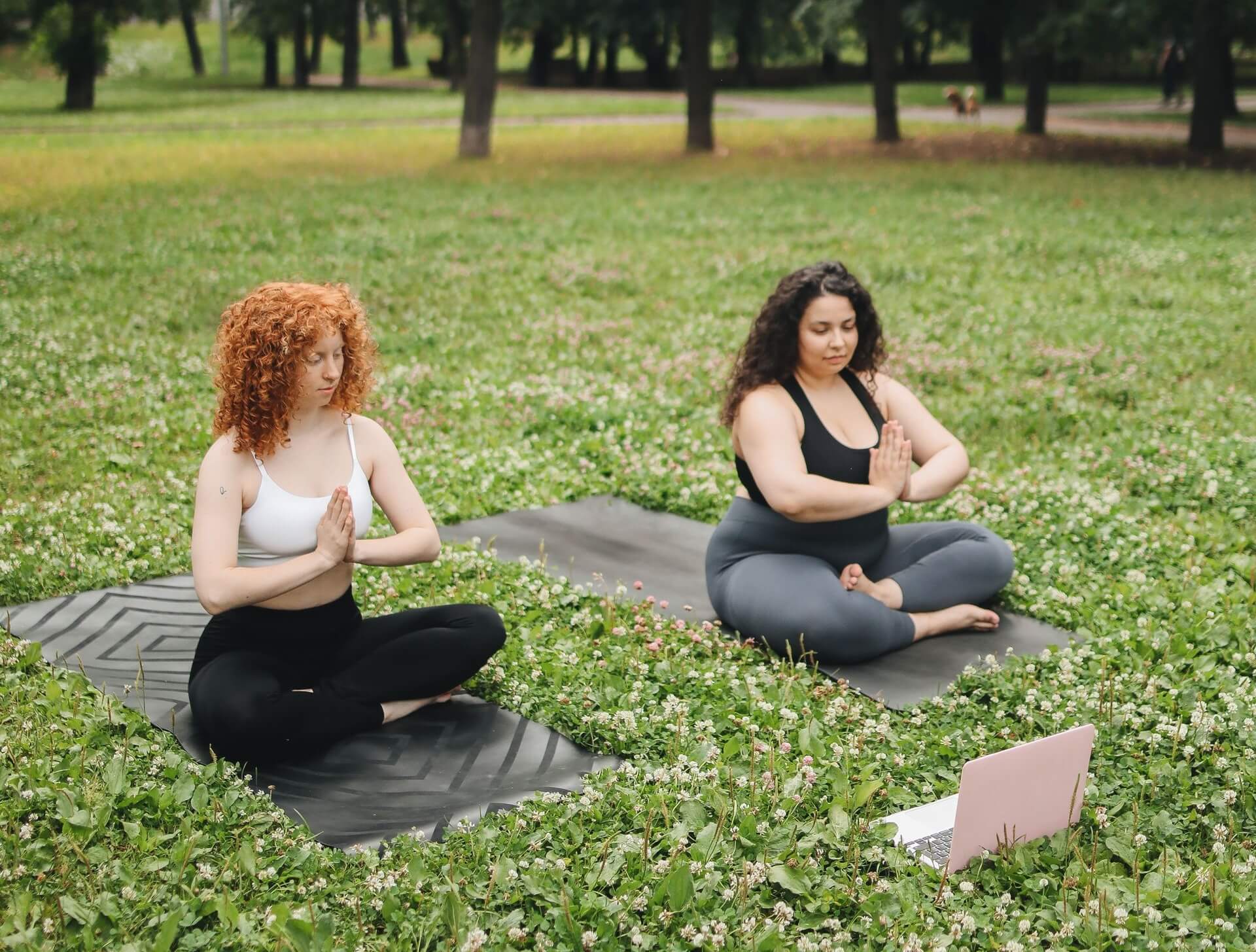
The Life Many Teachers Actually Want
Ask many yoga teachers why they began practicing, and you are likely to hear similar answers: less stress, less reliance on a capitalistic culture, more simplicity, more connection and community, more time in nature, and a slower pace of life overall.
Many aspiring yoga teachers imagine a life surrounded by trees instead of traffic - think mountain towns, coastal communities, forests, or small villages where life feels grounded and spacious. But ironically, these places often have the smallest yoga markets. While a town of 5,000 people might benefit from yoga just as much as a city of half a million people, it also simply may not have enough paying students to support a full-time teacher.
While this idealized place to call home might be nourishing to your soul as a yoga teacher, it doesn't necessarily pay your rent.
The Urban Compromise
In order to make a living as a yoga teacher, many teachers make a compromise: they move to a larger city or affluent suburb in order to earn a liveable income.
On paper, it seems like the obvious decision - There are dozens of studios, private clients, corporate yoga opportunities, interest in workshops and teacher training programs. More abundance overall of the variables needed to build a sustainable career as a yoga teacher.
But of course, we know the cost of this decision extends beyond the price of rent. Living in a large city often means sacrificing many of the qualities that attracted people to yoga in the first place.
Instead of quiet morning walks through nature, there are often littered sidewalks. Instead of a silent meditation session in the morning, there is the mind-rattling sound of leaf blowers and hedge trimmers curating bushes and trees that are already beautiful just as they are. Instead of knocking off work in the afternoon to go for a hike or a kayak nearby, teachers may instead be commuting across town to teach their third class of the day.
Ironically, this lifestyle may begin to feel like you are teaching people how to slow down while struggling to find moments of stillness yourself.
A Different Kind of Misalignment
This compromise in yoga teacher lifestyle isn’t just about the money. Of course, earning more as a yoga teacher in a densely populated city also likely means paying more for rent, but it also often comes with a high cost of misaligned values.
Your work as a yoga teacher may be deeply meaningful, but the environment you teach in may not always feel that way.
It's a tension that many teachers quietly carry, because they've realized that earning a living from yoga often requires participating in a lifestyle they were hoping yoga would help them leave behind.
So, What Do We Do With This Reality?
There isn't an easy solution to this paradox, but that doesn’t mean there is no solution. Rather than chasing a version of success that may not align with the life you actually want to be living, it can be helpful to redefine what it means to you to be a yoga teacher.
For some, that might mean teaching part-time while maintaining another career that provides financial stability and the freedom to live closer to nature. Others may choose to build an online business, host occasional retreats, or travel to cities to teach workshops instead of living there full-time. Some will decide that city life is a worthwhile trade-off because they thrive on the energy, access, and opportunities it provides.
The point isn't that one path is better than another. It's that the "dream" of teaching yoga full-time can be realized in many ways, and doesn’t necessarily require sacrificing your ideal life outside the classroom or inner peace.
A yoga practice invites us to live with greater awareness and intention, and perhaps that same mindset should shape our careers as teachers. Before asking, "How can I make yoga my full-time job?" it may be more meaningful to ask, "What kind of life am I trying to create?"
The answer to that question may lead to a career that looks less like the one sold on social media, but one that is far more sustainable, authentic, and aligned with the values that brought you to yoga in the first place.