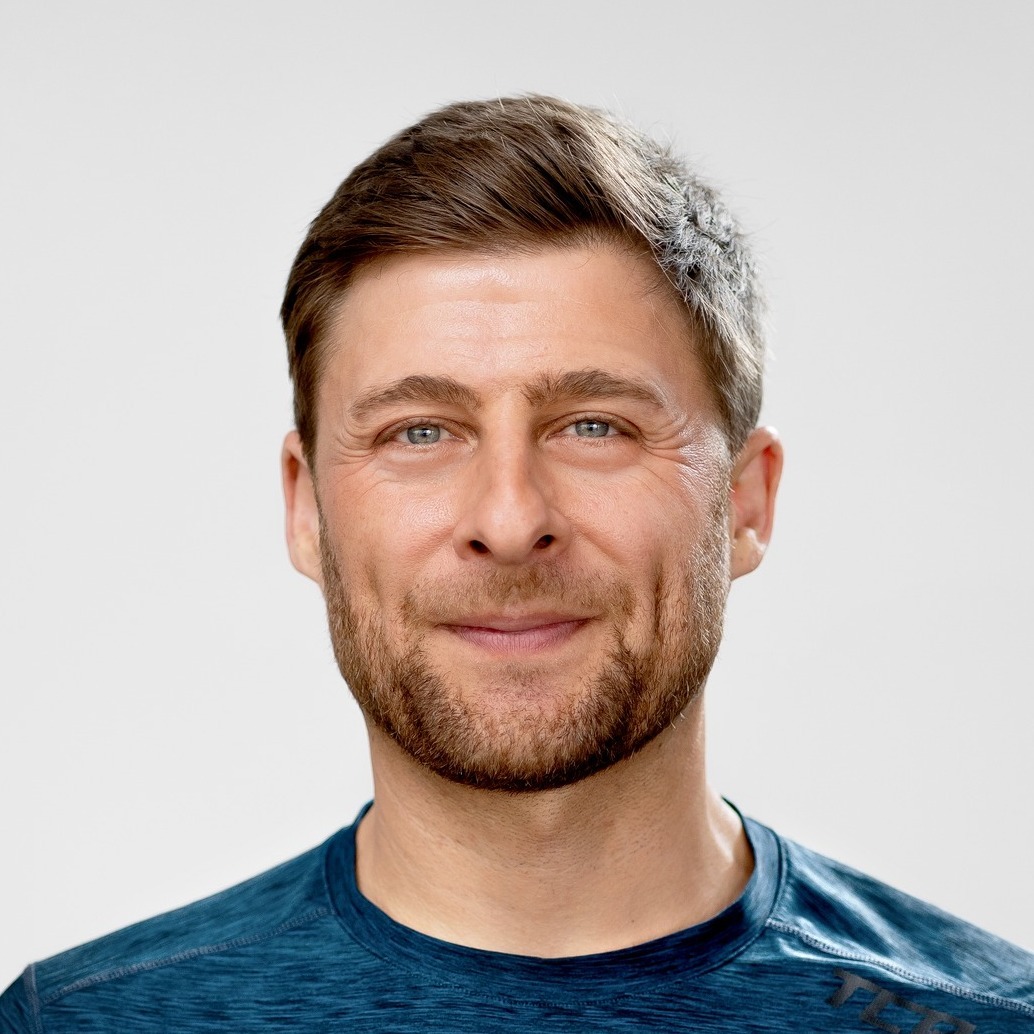
5 Keys to Building a Successful Global Yoga Business – with Lucas Rockwood of YogaBody
When I sat down with Lucas Rockwood, founder of YogaBody, I knew I was speaking with someone who’d not only built a business - but a movement. With over 40,000 yoga teachers trained across multiple continents, Lucas is a testament to what’s possible when passion meets purpose and professionalism.
What struck me most wasn’t just the scale of his success - it was the grounded, humble way he spoke about it. Lucas doesn’t see himself as a guru or a celebrity. In fact, he said:
I'm just an organizer, a sort of a master of ceremonies... I don't take that much credit for it.
Our conversation was rich with insight, but here are the five biggest lessons I took away about what it really takes to build a successful global yoga business.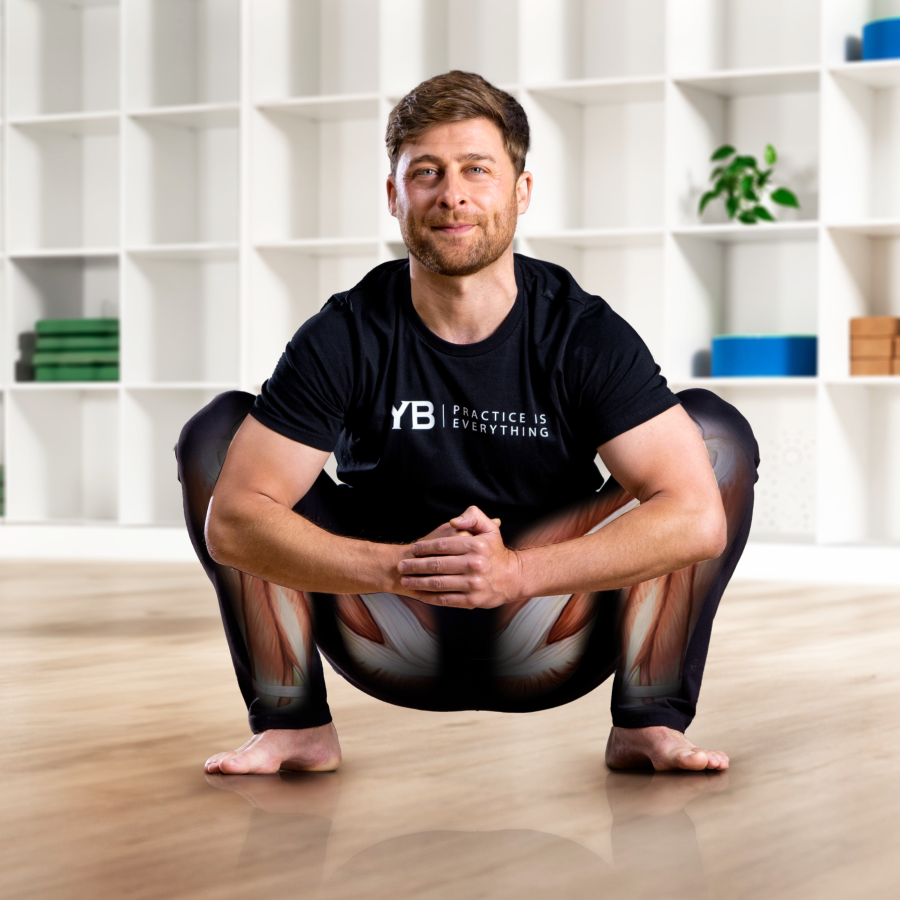
1. Don’t Aim to Be the Star - Build a Community
One of the most refreshing things Lucas shared was how little of YogaBody's success he attributes to himself personally. His role, as he describes it, is to create a space where others can shine:
What I really do is I create a platform where people make changes... And very often the students do more than I do.
That mindset - of being the funnel rather than the spotlight - seems to be a huge part of why his business has scaled. The best businesses empower others, and in Lucas’s case, his platform has sparked a “chain reaction” of teachers who are now building communities of their own.
My takeaway: In the yoga world, we often put pressure on ourselves to be “the one” - the most inspiring teacher, the biggest social presence. But maybe the real magic happens when we step back and create space for others to grow.
2. Treat Yoga Teaching Like a Real Profession
Lucas opened his first yoga studio in Thailand in 2006, and one of the first roadblocks he hit was finding qualified teachers. While there were many people with yoga certifications, very few were actually ready to lead a class.
Most people kind of go to these courses where they sell you a certificate… It’s really great, but they don’t have professional skills.
Out of necessity, he launched in-house teacher trainings - not to build a business at first, but to fill staffing gaps. That grounding in real-world needs gave his trainings an edge. They weren’t retreat-style yoga camps - they were immersive, professional programs that prepared people to actually teach.
We let them train for free and they signed a contract… And it was so incredibly successful.
My takeaway: If you want to stand out, find that balance between the spiritual and lifestyle side of yoga, but also the business side. Get serious about the practical angle too: public speaking, customer service, and professional reliability.
3. Consistency Beats Burnout
When I asked Lucas how he stays motivated after so many years of teaching and training, his answer was simple but powerful:
It's really easy to stay motivated when you're getting so much positive feedback… This work matters. Let's keep doing it.
Despite how busy he is - with teacher trainings taking up about 85% of his time - he doesn’t view his work as a grind. The feedback from students, the visible results, and the deep sense of purpose keep him going.
My takeaway: Burnout is real in the yoga industry. But it might not come from working too much - it might come from working without meaningful feedback or impact. When the work is aligned and appreciated, it fuels you.

4. Embrace Change to Spark Transformation
Perhaps my favorite insight came when Lucas spoke about how hard it is to change behaviors - especially when nothing else in your life is changing:
It’s really difficult when people have the same environment and the same stimulus and the same stuff in the fridge to suddenly make different changes.
He emphasized how powerful it can be to create a sense of newness - through travel, new routines, even shifting your social circle. In fact, moving frequently was one of the ways he “became a different person” over time.
My takeaway: Personal growth doesn’t always happen in the same environment where your old habits were formed. As teachers and business owners, we need to help our students (and ourselves) find those moments of disruption that allow for real transformation.
5. Stay Grounded in Your Mission
Lucas has trained teachers in the U.S., Spain, Thailand, the Philippines, Malaysia, and more. With that kind of global presence, you might expect his offerings to vary wildly from country to country - but surprisingly, they don’t.
"I probably should do more targeting,” he told me, laughing, when I asked about regional differences.
That said, Lucas is acutely aware of how lifestyle, culture, and food environments impact people’s ability to make healthy choices. He talked about the challenges in countries like the U.S. and the Philippines - where processed food dominates and driving culture limits daily movement.
There are real food deserts… The food types are palatable. It’s really hard not to gain weight… You’re battling your own biology.
But instead of customizing his trainings to match each region, he focuses on shared goals - things everyone wants, like energy, joint health, and strength. His message stays consistent, while still being realistic about the barriers people face.
My takeaway: You don’t have to dilute your message to appeal to everyone. Speak to universal human needs - mobility, confidence, longevity - and let people meet you where they are. Be aware of local challenges, but don’t lose sight of your bigger vision.
Final Thoughts
Lucas Rockwood’s story is proof that global success in the yoga world isn’t about self-promotion - it’s about service, structure, and sustainability.
He’s built something massive not by being the loudest voice in the room, but by being the one who hands others the mic.
If you’re trying to grow your yoga business, I hope these five lessons land as deeply for you as they did for me.
And if you want to explore more of what Lucas offers, check out his courses, trainings, and mindful marathon events at yogabody.com.
🎧 Missed the full conversation?
Listen to the podcast episode with Lucas Rockwood here.