Knee over ankles and other yoga mega myths debunked.
We’ve heard them before, we’ve said them before; some verbal cues are automatic for me at this point. In all the places I’ve taught in several continents, there is a remarkable similarity in some of the English speaking verbal cues. It’s been almost 9 years and when I think back to my first certification I can’t remember if some of these cues were present or have since worked their way into my teaching habits, picked up from my peers.
Laziness, busy-ness, or oscillation between the two has always kept me from reflecting on my cues and sieving out which ones have actually lost their original intention. So that’s what we are doing today. The mission is to weed out the automated cues, and understand if they are valid. A belated spring cleaning of verbal cue habits, if you will.
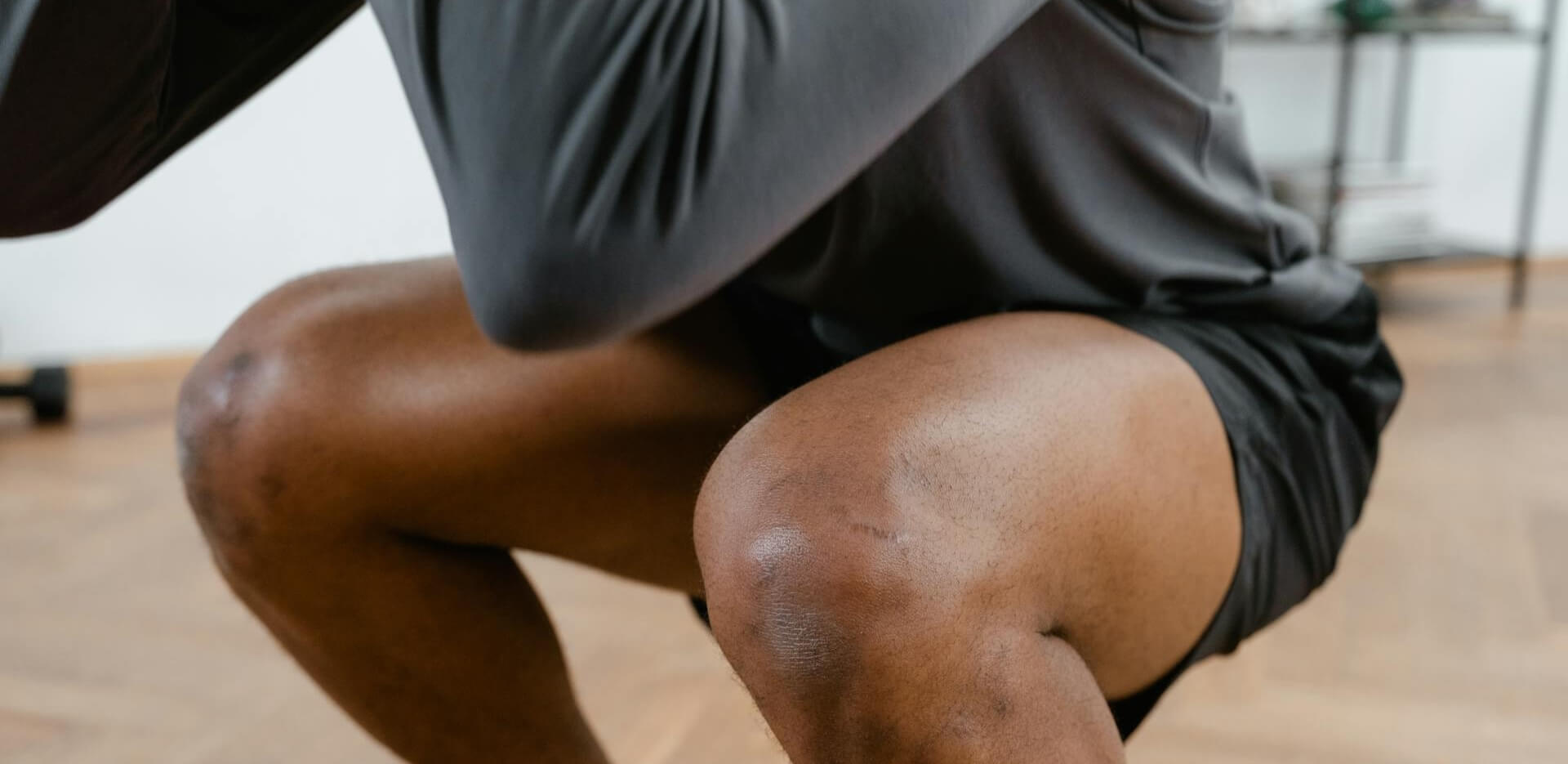
Knees over ankles - Outdated and overrated
Often a cue heard for warrior poses, lunges, and any bent knee holds in yoga and other disciplines. Less now, but still occasionally I receive this cue during a class. I even catch myself saying it automatically to fill space. Then there’s chair pose and yogi squat to confuse us; the knees often extended far beyond the ankle. Several articles debunk this theory referring to a 20th century study that has since been proven outdated. There’s a full rabbit hole waiting for interested souls to look over the history of this well known fitness alignment tip, so do be curious if you wish. The condensed conclusion I find is that knees are delicate parts of the body and the more diverse movement they safely practice, the more they can be strengthened to aid the body's overall functionality. That being said, the knee over ankle cue is helpful to alleviate pressure on knee from overextension, and is also useful for keeping the knee in line with the toes; an alignment tip that supports long-term structural integrity of the joints and muscles.
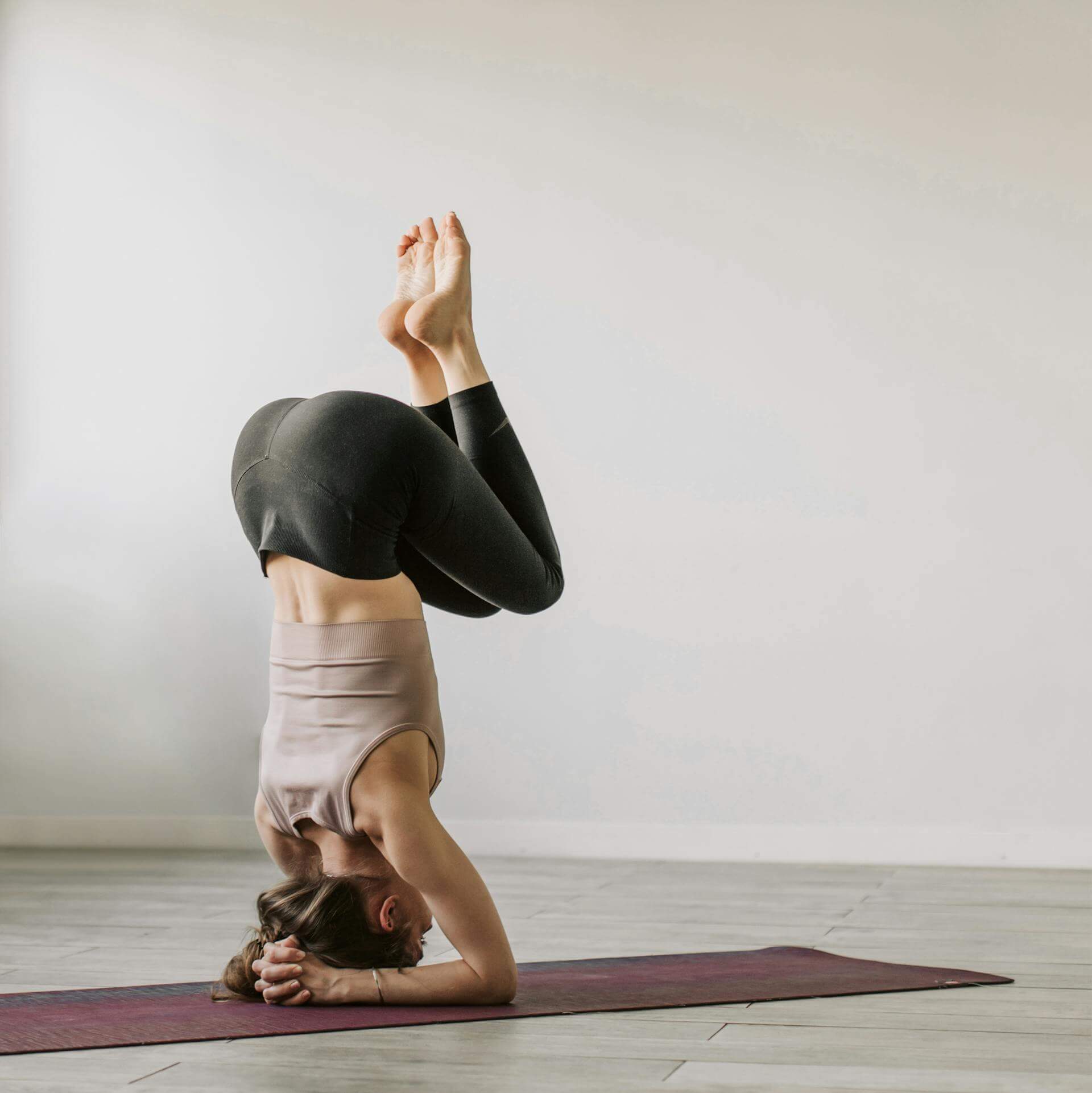
Inversions while menstruating - You too can defy gravity if you want to!
During my training my mentor debunked this one with utmost confidence declaring, “Your menstrual cycle functions way more than gravity”. This comes from a person who does not menstruate, but the thought definitely stuck with me. With minimal digging I quickly found that indeed there’s plenty of proof that uterine contractions are stronger than a headstand. (remember that science demo of drinking through a straw upside down?) That being said, retrograde menstruation is an existing condition, and inversions can be downright uncomfortable in any part of your cycle. Every menstruating person experiences it so differently, it's amazing we can have even a few general knowledge notes about it. So what is the truth of the matter? If we consult ancient yogic and ayurvedic texts, there is plenty of mention about the importance of an energetic flow downwards, present in any of the body’s eliminative processes. For menstruation there is a particular encouragement to rest for a few days during the active bleeding part of your cycle. So really we should just turn away all menstruating people before they even enter the studio….? While yogi practice has changed, so has the culture around menstruation and we now have a lot more information and options for both.
The long and short of it are that inverting during menstruation is okay to do if you feel comfortable with it. You may choose to include a note of caution according to your own preferences, beliefs, and values.
Shoulders down and back- Caringly and Sparingly
Aaaah the shoulders, a cocktail of complicated muscles, ligaments, and bones coming together in one big yogic enigma. Any weight bearing pose or outstretched arm posture might trigger this cue and if it’s been said once, it’s bound to continue relentlessly. On and on, this cue survives the waves of new yoga teachers as it is passed down and outwards, myself included.I still use this cue. Why? Because the shoulder is very complicated and I tend to err on the side of simple and safe, while combatting the dreaded hunch that most of our day to day find us in. I use this cue because I trust the training I’ve had and never stopped to question its actual legitimacy. I’m only human.
Well I’m questioning it now and after watching a few videos, a podcast, and reading several articles with similar debunking intentions, it comes back to knowing what you are cueing and experiencing it yourself. I return to my body’s natural instinct when lifting and pushing my arms. There’s a satisfying feeling of engaging the full trapezius as the shoulder blades wing outwards and around to almost hug my upper ribcage. If I strip away my experience and think of responding to “shoulders down and back” I find myself crunching my lower trapezius and feeling my breath shorten. That “wrapping” effect is totally lost. That same cue in different poses can result in different sensation (most painfully in cobra/bakasana where it dumps into my lower back). For myself, I take it as a sign to specify in my cues surrounding the shoulders, perhaps try activation demos or even feeling ones own scapulas, or simply adding a few words about broadening the collarbones or hugging the upper ribs around as you push from the hands.
Moving your head in weight-bearing postures - Classy, sassy, and timeless.
Often accompanied with “Tuck your chin in, keep your eyes looking up” and in my training one of the only cues that is explicitly “do not”. I’ve only tested this cue out personally in my own practice, a little wiggling of the head to see what would happen (not recommended). With this opportunity to see what everyone thinks, there’s a general consensus that yes, this cue is valid to alleviate too much pressure on the cervical spine. That means with flexibility and strength, you may be able to move your head without any danger. Unless people bring a personal spotter to their class, its one of those cues that might just be easier to include. Odds are that very experienced yogis will know what their abilities are and do what they want on their own.
There are many more automatic cues out there (parallel pointer fingers, soften your gaze, shin parallel to the front of your mat, etc.). If writing this has proven anything to me, it is that to stay humble and keep curious about the ever-changing yogic practice, question your habits sometimes, and return to your verbal cueing with intentionality and knowledge.