Myth: More Certifications = Better Teacher. What really makes a good yoga teacher
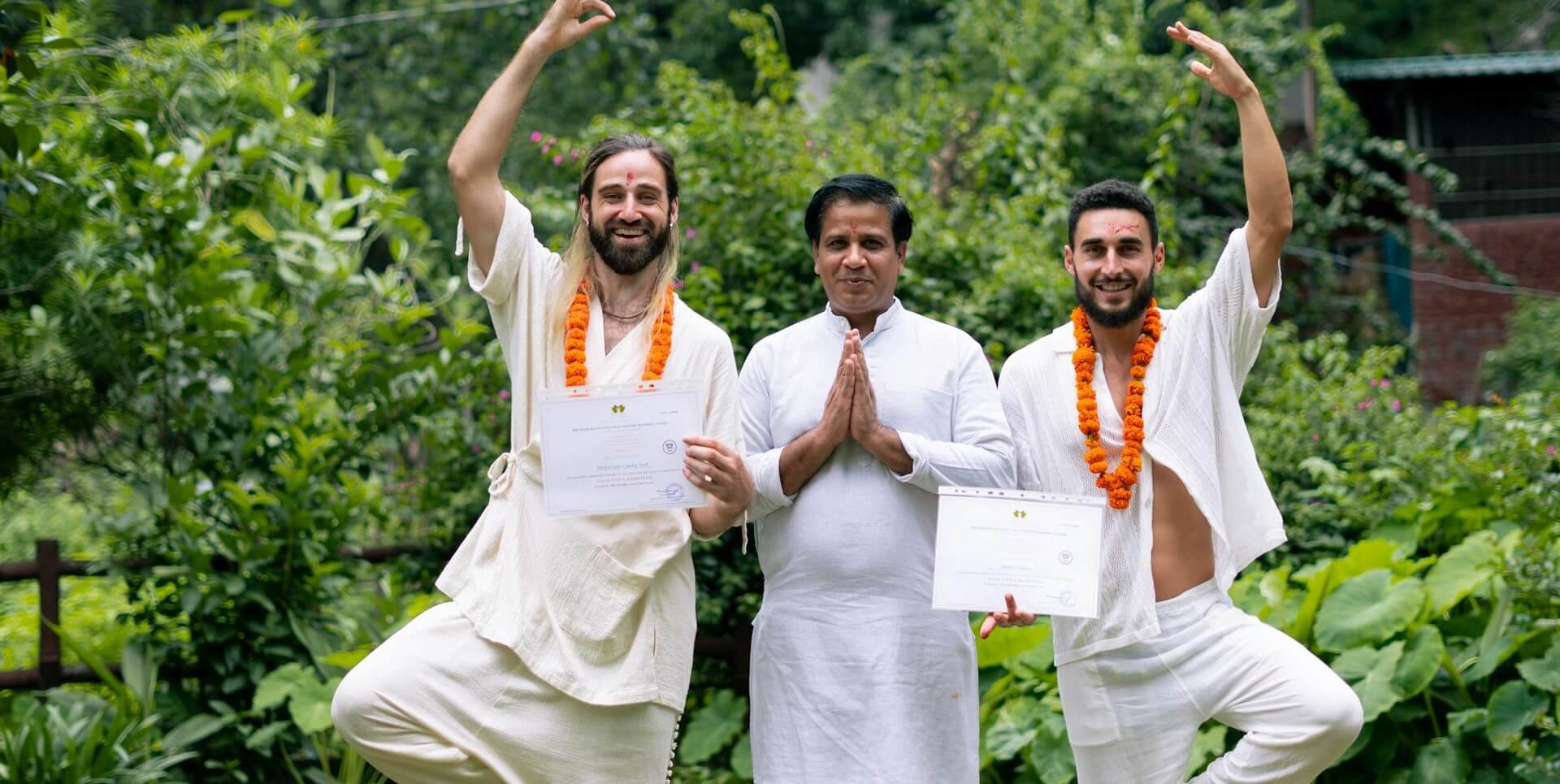
Let’s start by naming something many people in the yoga world quietly assume but rarely question: more certifications means a better teacher. After all, if someone has completed multiple trainings, studied countless styles, and accumulated an impressive list of credentials, it feels logical to trust that they must know what they’re doing.
But if you’ve spent any real time in yoga spaces, you’ve probably noticed something else to be true as well. Some of the most impactful teachers you’ve practiced with don’t necessarily have the longest resumes. And some teachers with extensive certifications still struggle to connect, adapt, or create a space that feels truly supportive.
The truth is, while training matters, it’s only one piece of the puzzle. What really makes a good yoga teacher goes far beyond certificates on the wall and has much more to do with presence, awareness, and emotional intelligence.
How Certifications Became the Gold Standard
Modern yoga has done something both helpful and limiting: it has standardized teacher training. The introduction of 200-hour, 300-hour, and 500-hour Registered Yoga Teacher (RYT) programs created accessibility, structure, and a baseline of safety. Overall, these are of course good things. They made it possible for yoga to reach more people and for teachers to share a common foundation.
Over time, though, certifications became more than education. They became somewhat of a proof of legitimacy. A way to be seen as worthy in an increasingly competitive wellness space. Social media only amplified this, turning trainings and workshops into catchy credentials to display and collect over and above their original intention: to offer experiences for growth.
This culture quietly reinforces the idea that if you ever feel uncertain as a teacher, the solution is investing in another certification. While continued education can absolutely be valuable, it’s worth asking whether more information (and more time and money) always translates into better teaching.
What Certifications Are Good For
Yoga teacher trainings are important in many ways. They introduce the basics of anatomy, movement principles, philosophy of yoga, ethical considerations, styles of yoga, and teaching frameworks. They give teachers language, structure, and confidence to step into the room and lead a class of strangers or friends alike. But certifications also have limits.
Knowing anatomy doesn’t automatically mean knowing how to work with longstanding injuries or acute pain. Learning sequencing theory doesn’t guarantee the ability to respond to a room full of real humans having real days - good or bad. Most trainings typically offer limited opportunities to practice reading energy, navigating emotional moments, or adapting on the fly to unexpected needs of the room.
In other words, certifications often teach what to teach, but not necessarily how to relate. And teaching yoga is, at its core, a relational practice. This receptive understanding of the emotional and energetic needs of the room is often a more inherent skill that is sharpened with time on the mat, teaching and responding.
What Actually Makes a Good Yoga Teacher
A good yoga teacher doesn’t need to impress simply with a long series of letters behind their name. They need to connect with their students and curate the energy in the room.
Clear, accessible communication matters more than advanced poses or perfect pronunciation of Sanskrit words. Students benefit far more from being understood than from being impressed. The ability to observe postures and emotions, notice patterns in repeat attendees, and offer variations of challenging poses creates an environment where students feel safe to explore rather than perform or impress back.
Adaptability and emotional intelligence are key. Classes rarely unfold exactly as planned, and teachers who can pivot with ease tend to create more grounded experiences. This might mean simplifying a sequence, offering rest when the room feels heavy, or allowing silence instead of filling every moment with cues.
Authenticity also plays a major role. Students can sense when a teacher is trying to be something they’re not. When teachers show up honestly, without hiding behind credentials or perfection, it gives students permission to do the same.
Why Emotional Intelligence Matters More Than More Training
Emotional intelligence is the ability to recognize, understand, and regulate your own emotions while staying attuned to the emotions of others. In a yoga class, this skill is often more impactful than technical mastery earned through study rather than practice.
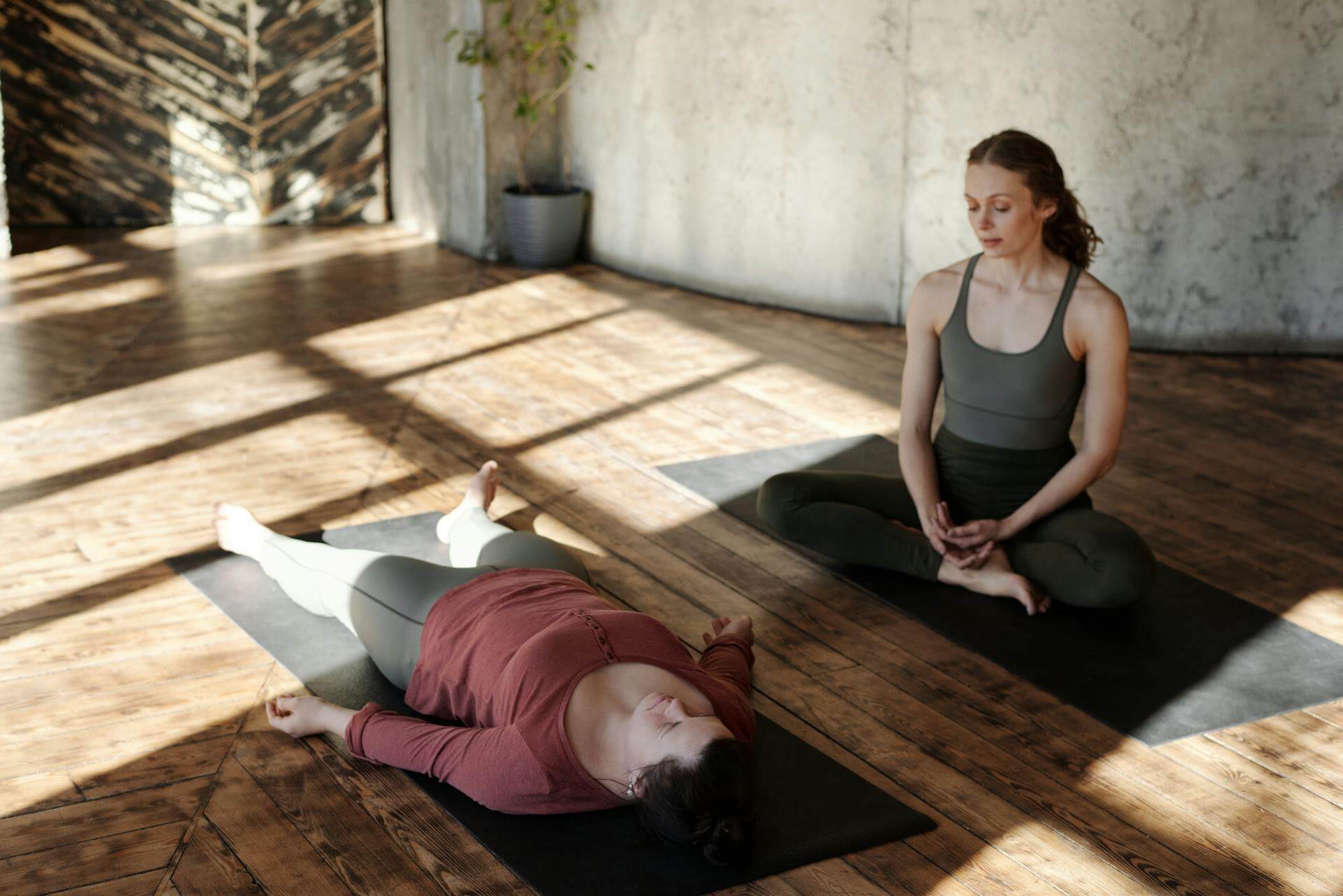
An emotionally intelligent teacher can read the room. They notice when students are overwhelmed, distracted, or uncomfortable. They understand when encouragement is helpful and when space is needed. They know how to guide without controlling.
This awareness creates a sense of safety. Students can relax when they feel seen, and are more likely to listen to their bodies, modify when needed, and stay engaged with their yoga practice. Students don’t come back to a yoga class because a teacher has ten certifications. They come back because they feel seen. More often than not, students return for the relationship, not the resume. The emotional tone of a class lingers long after the sequence is forgotten.
Moral of the Story: Authenticity Over Accumulation
Certifications are not the enemy. They can be informative, meaningful, and supportive when chosen intentionally. But they don’t automatically make someone a good yoga teacher.
What truly matters is how a teacher shows up - Their awareness, their empathy, and their ability to create a space that feels safe, supportive, and fully human.
A good yoga teacher isn’t defined by the number of certificates they’ve earned, but by the quality of presence they bring into the room. And that’s something training alone simply can’t provide.